How to Use a Vehicle Hail Damage Scanning System for Repairs?
The impact of hail on vehicles can be severe, often causing significant dents and damage. Repairing this damage requires precision and the right tools. A Vehicle Hail Damage Scanning System is essential for this process, providing accurate assessments of the extent of the damage. This advanced technology allows repair professionals to pinpoint issues that might not be visible to the naked eye.
Many body shops are now adopting this system for efficiency. However, knowing how to use the Vehicle Hail Damage Scanning System effectively is crucial. Understanding its functions can significantly improve repair outcomes. It’s not just about scanning; it requires experience and proper training. A miscalculation during scanning can lead to inadequate repairs and customer dissatisfaction. Ultimately, the goal is to restore the vehicle's appearance while maintaining its value. This introduction explores how using this system can transform the repair process, ensuring reliability and better results.
Understanding Vehicle Hail Damage: Signs and Effects
Hail damage can be a significant concern for vehicle owners. Understanding the signs of this type of damage is crucial. Common indicators include dents, paint chipping, and cracked windshields. Often, these damages are not easily visible at first glance, especially if they are minor. However, if you notice uneven surfaces or areas with missing paint, it might indicate deeper issues.
The effects of hail damage can be long-lasting. Beyond aesthetics, hail damage can compromise the vehicle's structural integrity. Water leaks can lead to rusting and mold growth. Ignoring these damages may result in costly repairs later on. Being proactive about inspections is important. A thorough examination can help identify underlying problems early.
Proper evaluation methods can significantly improve repair outcomes. Utilizing a hail damage scanning system can provide a comprehensive assessment. These systems capture details that might be missed during a visual inspection. However, relying solely on technology can have its downsides. Human expertise is essential to interpret the data effectively. Balancing equipment with qualified professionals enhances the repair process.
Introduction to Hail Damage Scanning Systems and Their Functionality
Hail damage scanning systems are revolutionizing vehicle repair. These advanced tools provide a detailed analysis of a vehicle's exterior, allowing technicians to identify damage that the naked eye might miss. According to industry reports, up to 30% of hail damage goes undetected during the initial assessment. This can lead to inadequate repairs and increased costs down the line.
Using a hail damage scanning system begins with positioning the vehicle within the scanning area. The system emits precise laser light or infrared signals that bounce off the surface to reveal imperfections. Technicians can quickly assess the extent of the damage, ensuring that repairs are complete and effective. A study indicated that using scanning systems can reduce repair time by up to 50%, enhancing customer satisfaction.
Tips for using scanning systems effectively include ensuring proper calibration before scanning. Regular maintenance of the scanning equipment is essential for accuracy. Technicians should also be trained to interpret the data correctly. Awareness of common scanning pitfalls can lead to better outcomes. Remember, even advanced systems require human oversight to ensure thoroughness in repair assessments.
Step-by-Step Guide to Using a Scanning System for Damage Assessment
Using a vehicle hail damage scanning system can significantly enhance the repair process. To start, ensure the scanning system is set up correctly. Place it flat and stable, ideally in an area with ample lighting. This helps capture accurate data. Begin by inputting the vehicle’s details into the device.
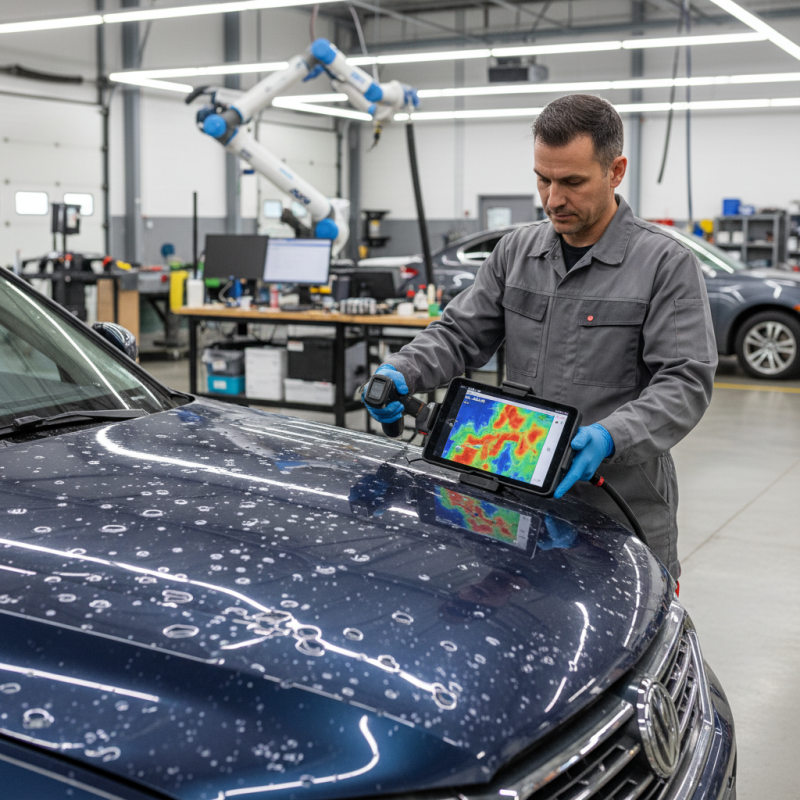
After the setup, initiate the scan. Move the scanner across the car’s surface steadily. Pay attention to areas where hail damage typically occurs. After scanning, review the digital readout for details about the severity and location of the damage. It may take practice to interpret the data correctly. Sometimes, the system may not fully capture hidden dents. Be ready to check those areas manually.
Finally, document the findings for further repairs. Take photos of the damage alongside the scanning results. This additional step can prevent miscommunications with repair teams. Note any discrepancies in the data, as this will refine future scans. Understanding the scanning data can take time and effort. Keep learning about interpreting the results for better accuracy in assessments.
How to Use a Vehicle Hail Damage Scanning System for Repairs?
| Step | Action | Description | Estimated Time |
| 1 | Prepare the Vehicle | Clean and park the vehicle in a controlled environment. | 15 minutes |
| 2 | Set Up Scanning Equipment | Install and calibrate the scanning system according to the manufacturer’s instructions. | 30 minutes |
| 3 | Conduct the Scan | Initiate the scan and ensure it covers all affected areas of the vehicle. | 20 minutes |
| 4 | Analyze Scanning Results | Review the data collected and identify the extent of the hail damage. | 25 minutes |
| 5 | Plan Repairs | Estimate repair costs and create a repair plan based on analysis. | 30 minutes |
| 6 | Implement Repairs | Carry out necessary repairs as per the established plan. | Variable |
Interpreting Scanning Results: What to Look For
When using a vehicle hail damage scanning system, interpreting the results is crucial. Focus on assessing the data displayed on the screen. Look for areas with high damage intensity. These areas often indicate where repairs are most needed. Discrepancies in readings can signal hidden damage. Trusting the system's analysis helps in understanding the severity of the impact.
Pay attention to the color codes and patterns. Certain colors may suggest deeper damage, while others indicate surface issues. It’s essential to cross-reference these results with visual inspections. In some cases, what appears minor could actually be severe. Take note of any anomalies that need a second look.
Repairing hail damage isn’t always straightforward. Sometimes, multiple scans might show varying results. It’s important to document these differences. This record aids in a more comprehensive assessment later. Regular training on scanning technology can help technicians interpret results more effectively. Continuous learning is key in this evolving field. Remember, every vehicle presents unique challenges, and experience plays a significant role.
Integrating Scanning Data into the Repair Process and Workflow
Integrating scanning data into the repair process enhances efficiency and accuracy. A vehicle hail damage scanning system captures detailed images of the vehicle's surface. This data reveals even the smallest dents and imperfections, which aids technicians in assessing damage more precisely. Each vehicle presents unique challenges, and relying solely on visual inspection can lead to overlooked issues.
Once the scanning data is collected, it should be analyzed carefully. This includes comparing the images against pre-repair conditions. Technicians must develop a workflow that prioritizes this data. Collaboration among team members ensures everyone is on the same page.
However, it is crucial to address discrepancies between data findings and actual repairs. Often, real repair situations can deviate from the ideal scenarios suggested by the scanning data.
Moreover, integrating this technology requires training.
Technicians need to familiarize themselves with the scanning equipment. Understanding how to interpret scan results is just as essential. There can be a learning curve, and mistakes might happen.
Continuous improvement and reflection on these experiences can lead to better practices in the long run. Adopting a scanner is not just about using a tool; it’s about evolving repair strategies.