
-
- Products
- Indoor Household Cords
- Appliance Cords
- General Purpose Short-Length Cords
- General Purpose Extension Cords
- Landscape & Decorating Cords
- Bright Color Extension Cords
- Oil-Resistant Extension Cords
- Cold-Flex Extension Cords
- VividFlex Power Cords
- EXTREME All-Weather Cords
- Cord Management
- Task Lights
- Adapters & GFCI Devices
- Where to Buy
- About
- Careers
- Glossary
- Catalog


What Is a Shrink Film Wrapping Machine?
A Shrink Film Wrapping Machine is an industrial packaging system that encloses products in heat-shrinkable film. It combines film feeding, product positioning, sealing, cutting, and controlled heating. After sealing, the heat tunnel warms the film evenly. The film tightens around the product and creates a cleaner, more stable package. This process can protect surfaces from dust, moisture, and handling marks during storage or transport.
Not every machine works the same way. Some models wrap individual cartons, while others bundle bottles, trays, or irregular products. The right choice depends on product dimensions, film type, package weight, and required output. Look closely. Seal quality matters. Film gauge matters. Production speed matters. In practical operation, an operator may adjust conveyor timing or tunnel temperature after observing loose corners and uneven shrinkage. That small adjustment can reduce film waste, although it may not solve every packaging problem. Excessive heat can distort sensitive products or damage printed film. Insufficient heat can leave wrinkles and weak seals. No machine is perfect.
Reliable evaluation requires more than a catalog speed. Manufacturers should provide technical specifications, operating instructions, safety guidance, and realistic testing support. Buyers should request sample trials using their actual products and film. Maintenance records, spare-part availability, and operator training also influence long-term performance. A dependable Shrink Film Wrapping Machine should deliver repeatable seals, steady film tension, and accessible controls. This article explains how the equipment works, where it fits, and which practical details deserve careful attention before investment.
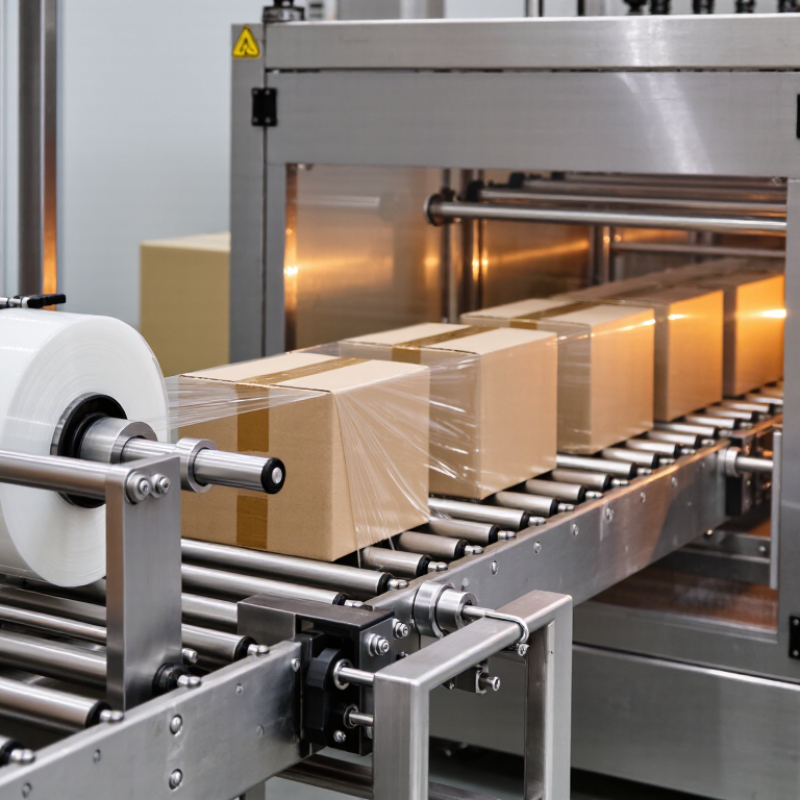
Table of Contents [Hide]
What Is a Shrink Film Wrapping Machine?
A shrink film wrapping machine is packaging equipment that encloses a product in plastic film. Heat then contracts the film around the item. The result is a tight, transparent covering that helps control dust, moisture, and handling damage. The machine usually combines film feeding, sealing, shrinking, and cooling. Some systems use a heated tunnel, while smaller units may rely on a manual heat gun.
The process looks simple, but temperature control matters. An operator places the product on the infeed conveyor. The film folds around it, and a heated sealing bar closes the package. The wrapped item then enters a tunnel, where controlled air heat tightens the film. Poor settings can create wrinkles, weak seals, or scorched edges. It is not magic. Film thickness, product shape, conveyor speed, and tunnel airflow must work together.
Market data shows why this equipment remains relevant. Smithers’ 2024 packaging outlook places the global packaging market above one trillion U.S. dollars, supporting continued investment in automated packing systems. Grand View Research reported that the global shrink film market was valued at approximately 9.8 billion dollars in 2023, with further growth expected through 2030. These figures describe related packaging markets, not machine sales alone. That distinction matters. A machine may improve speed and consistency, but it cannot correct unsuitable film or careless setup. Experienced operators still inspect seals, measure waste, and adjust heat during production.