
-
- Products
- Indoor Household Cords
- Appliance Cords
- General Purpose Short-Length Cords
- General Purpose Extension Cords
- Landscape & Decorating Cords
- Bright Color Extension Cords
- Oil-Resistant Extension Cords
- Cold-Flex Extension Cords
- VividFlex Power Cords
- EXTREME All-Weather Cords
- Cord Management
- Task Lights
- Adapters & GFCI Devices
- Where to Buy
- About
- Careers
- Glossary
- Catalog


What Is an Insulated Lunch Backpack?
An Insulated Lunch Backpack is a portable bag designed to keep meals and drinks cooler or warmer than ordinary backpacks. Its insulated walls usually contain foam or reflective layers. These materials slow temperature changes during commutes, school days, office hours, and outdoor trips. The backpack format also spreads weight across both shoulders, making it practical for longer walks.
In daily use, the difference is easy to notice. A chilled yogurt stays firmer, while a soup container remains warm for a reasonable period. However, insulation does not create cold or heat by itself. For safer cooling, users should add frozen gel packs and place food in sealed containers. A food thermometer can provide better guidance than guessing by touch. Small details matter.
Good designs often include leak-resistant linings, padded straps, strong zippers, and separate pockets. A wide opening helps users clean crumbs and spilled dressing from the bottom. I have found that easy cleaning matters more than decorative features. A beautiful bag can still become unpleasant after one forgotten sandwich.
Capacity also deserves careful attention. A compact model may suit one meal, but it can feel crowded with fruit, utensils, and a drink bottle. Larger bags offer flexibility, though they become heavier when fully packed. Materials, stitching, and warranty information can reveal a brand’s reliability. Still, product claims should be checked against independent reviews and realistic temperature expectations. This guide explains how an Insulated Lunch Backpack works, what features deserve attention, and where its practical limits may appear.
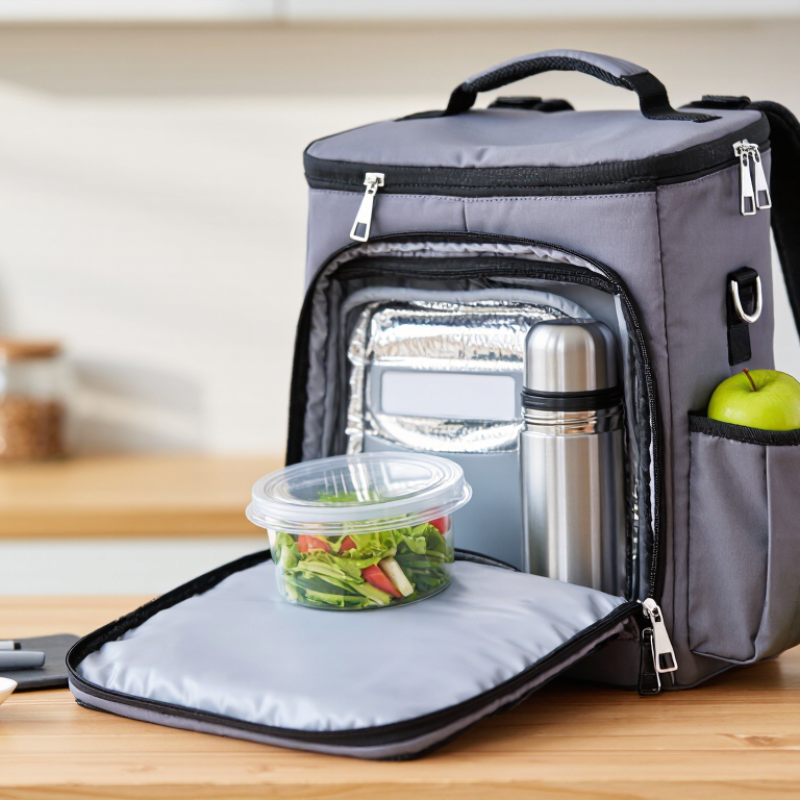
Table of Contents [Hide]
Definition and Core Features of an Insulated Lunch Backpack
What Is an Insulated Lunch Backpack?
An insulated lunch backpack is a portable food bag designed to slow temperature change during travel. Its main feature is a thermal layer between the outer fabric and inner lining. Foam, reflective film, or both may reduce heat transfer. The backpack format also leaves both hands free for commuting, school, or short outdoor trips.
Definition and Core Features of an Insulated Lunch Backpack
A reliable model usually includes thick insulation, a wipe-clean liner, secure zippers, and practical compartments. The liner should resist small spills, although “leakproof” is not always completely leakproof. A separate pocket can hold cutlery, napkins, or an ice pack. Padded shoulder straps improve comfort, while a flat base helps prevent containers from tipping inside. In daily use, a strong zipper may matter more than attractive fabric.
Temperature control remains the central purpose. The USDA Food Safety and Inspection Service advises keeping perishable food below 40°F, while its guidance limits unrefrigerated exposure to two hours, or one hour above 90°F. The FDA Food Code uses 41°F as the cold-holding benchmark for many perishable foods. Therefore, an insulated backpack should be used with frozen gel packs, not treated as a refrigerator. A small food thermometer can reveal whether the bag performs as expected. That practical check is often overlooked. The design may look excellent, yet poor packing, frequent opening, or a warm ice pack can weaken its protection.