
-
- Products
- Indoor Household Cords
- Appliance Cords
- General Purpose Short-Length Cords
- General Purpose Extension Cords
- Landscape & Decorating Cords
- Bright Color Extension Cords
- Oil-Resistant Extension Cords
- Cold-Flex Extension Cords
- VividFlex Power Cords
- EXTREME All-Weather Cords
- Cord Management
- Task Lights
- Adapters & GFCI Devices
- Where to Buy
- About
- Careers
- Glossary
- Catalog


What Are Aluminium Beer Cans and Why Do Buyers Choose Them?
Aluminium Beer Cans are lightweight, shaped metal containers designed to protect beer from light, oxygen, and contamination. Most are produced from aluminium alloy sheets through a drawing and wall-ironing process. The result is a strong body with a thin wall, rolled rim, and easy-opening lid.
Their appeal begins with practicality. Buyers can move more cans with less transport weight. Warehouses can stack them efficiently. Retailers also value their bright surfaces, because high-quality printing turns each can into a compact advertising space. Consumers notice the quick chilling, clean handling, and familiar opening experience. The package feels simple. Its engineering is not.
Robert Budway, president of the Can Manufacturers Institute, has described the aluminium beverage can as “the most recycled beverage package in the world.” That statement explains much of the market’s confidence in Aluminium Beer Cans. Aluminium can be recycled repeatedly when collection and processing systems work well. However, the environmental story is not flawless. Mining, smelting, coating, and transport still require energy. A can is not automatically sustainable everywhere.
This article examines what Aluminium Beer Cans are, how they are manufactured, and why breweries, distributors, retailers, and buyers choose them. It will consider protection, branding, cost, logistics, and recycling performance. Some advantages depend on local infrastructure. That detail matters. A strong package can still create a weaker outcome when recovery systems fail. Understanding that tension helps buyers make more informed, realistic decisions.
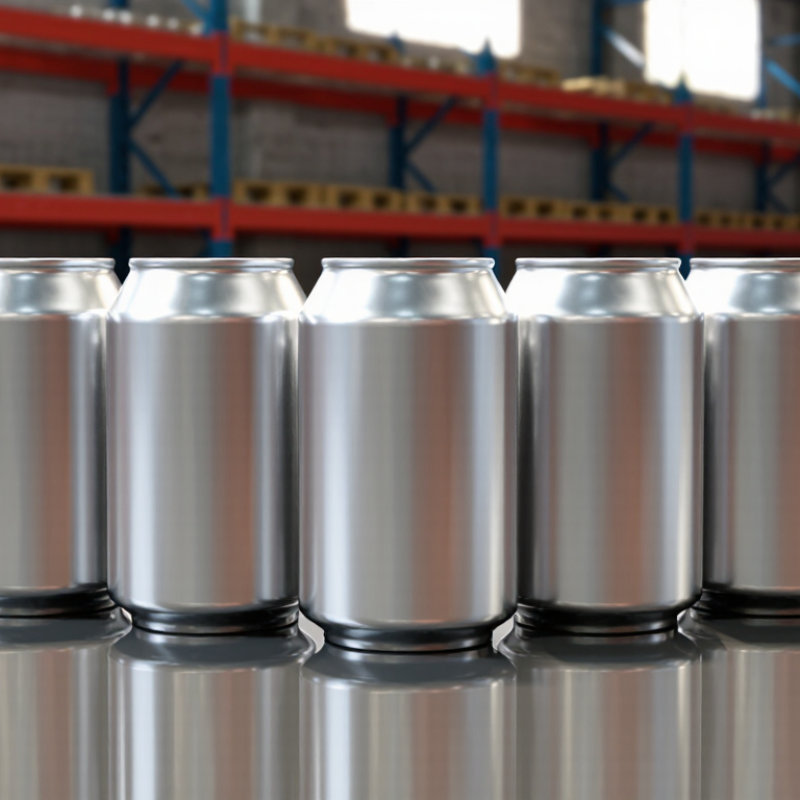
Table of Contents [Hide]
What Are Aluminium Beer Cans?
Aluminium beer cans are lightweight, rigid containers formed from thin aluminium alloy sheets. Most use a two-piece design: one body and one attached top. During production, the metal is pressed, stretched, and shaped into a seamless cup. A protective internal coating helps separate the beer from the metal. The opening is created with an easy-open end, so no separate tool is required.
They cool quickly in an ice bucket. That matters in retail displays and outdoor service. Aluminium also blocks light, which can help protect beer flavour. The International Aluminium Institute reports that recycling aluminium requires about 5% of the energy used for primary production. This gives cans a strong circular-economy advantage, although collection systems remain uneven. A recyclable package is not automatically recycled.
Buyers often choose these cans because they are light, stackable, and less likely to shatter than glass. The U.S. Environmental Protection Agency reported an aluminium beverage-can recycling rate of about 45% in its national municipal waste data. That figure deserves attention, not celebration. It shows that material value alone cannot solve disposal problems. Can specifications also vary by filling line, alloy thickness, coating performance, and transport conditions. In practice, purchasers should examine seam quality, dent resistance, pallet stability, and verified recycling data before choosing a format.