Why Choose a 1 Pole Circuit Breaker for Your Electrical System?
When considering the best options for your electrical system, a 1 Pole Circuit Breaker stands out. This crucial component plays a vital role in protecting your circuits from overloads and faults. Available in various amperages, a 1 Pole Circuit Breaker can easily manage typical residential loads, adding both safety and efficiency to your setup.
Many homeowners overlook the advantages of selecting a 1 Pole Circuit Breaker. They may consider it less powerful, but it’s often adequate for many applications. Understanding its function helps you make informed decisions. Choosing the right breaker type can prevent future headaches, like costly repairs or electrical fires.
It's worth noting that improper installation can lead to failures. Sometimes, choosing a more complex solution seems appealing, but simplicity often reigns supreme. A well-chosen 1 Pole Circuit Breaker provides peace of mind without overcomplicating your electrical framework. Engage with this choice thoughtfully to enhance safety and reliability in your home.
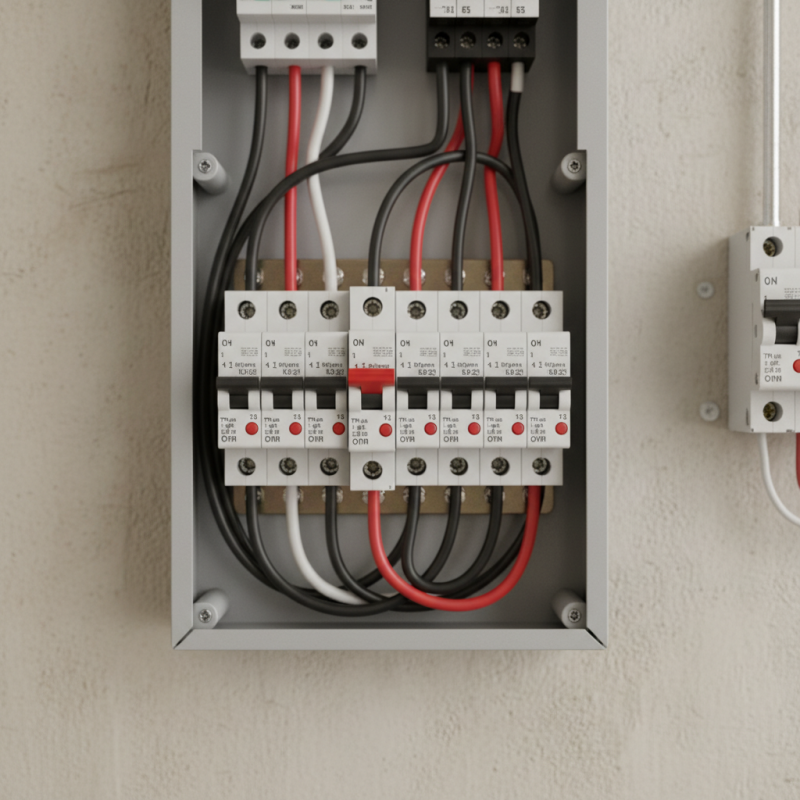
Understanding the Basics of 1 Pole Circuit Breakers
1 Pole circuit breakers are essential components in electrical systems. They provide protection by interrupting the flow of electricity when faults occur. These devices are designed to handle a single electrical circuit. This simplicity makes them a popular choice for residential and commercial applications alike.
Understanding how 1 pole circuit breakers work is crucial. They sense overloads and short circuits. When an issue is detected, they trip, cutting off the power supply. This action prevents potential hazards, such as fires or equipment damage. While the technology is effective, it's vital to ensure proper installation and maintenance. Neglecting these aspects can lead to failures when it matters most.
Choosing the right circuit breaker goes beyond just functionality. It's an integral part of any electrical safety plan. Users should consider their specific power needs and load capacity. Failure to match the breaker with the circuit can result in repeated tripping or worse. Always prioritize safety and efficiency. Understanding and properly utilizing 1 pole circuit breakers can significantly enhance the reliability of your electrical system.
Why Choose a 1 Pole Circuit Breaker for Your Electrical System?
| Feature | Description | Benefits |
| Compact Size | 1 pole circuit breakers are smaller in size compared to multi-pole circuit breakers. | Easier installation in tighter spaces, saving valuable panel space. |
| Cost-Effective | Typically more affordable than multi-pole counterparts. | Lower initial investment for single-phase electrical systems. |
| Simplified Maintenance | Easier to understand and maintain due to simpler design. | Less time and effort required for servicing or replacement. |
| Single-phase Protection | Designed specifically for single-phase circuits. | Ideal for residential and light commercial applications. |
| Quick Trip Response | Fast response to overloads or faults. | Enhances overall safety of the electrical system. |
Key Advantages of Using 1 Pole Circuit Breakers in Electrical Systems
When it comes to electrical systems, choosing a circuit breaker is crucial. A 1 pole circuit breaker offers distinct advantages. These breakers are designed to protect a single circuit, making them a versatile option for many applications.
One of the main benefits is their compact size. They are smaller and easier to install than multi-pole breakers. This feature makes them ideal for residential panels. Additionally, 1 pole breakers can provide quick response times in case of overloads. They help ensure safety by cutting off the power immediately.
Tips: When installing a 1 pole circuit breaker, remember to check the amperage rating. It should match the load requirements. Also, keep the breaker accessible. Easy access allows for quicker resets if tripped.
Another point to consider is maintenance. Regular inspections can prevent issues down the line. Look for signs of wear or overheating. This can help identify potential problems before they escalate. Taking these steps ensures your electrical system remains safe and reliable.
When to Choose a 1 Pole Circuit Breaker Over Other Types
A 1 pole circuit breaker is a popular choice for many electrical systems. These devices are designed to protect individual circuits. They can seamlessly interrupt the flow of electricity when a fault occurs. Data from the Electrical Safety Foundation International shows that circuit breakers reduce electrical fires by up to 80%. This statistic highlights their importance in residential wiring.
Choosing a 1 pole breaker over other types can simplify your electrical setup. They are ideal for single-phase loads, which are common in homes. Their compact size is also advantageous in limited space situations. However, it’s essential to assess your load requirements. Underestimating can lead to frequent tripping.
In some cases, you may need additional protection, such as dual pole breakers. But for straightforward applications, 1 pole breakers are efficient. According to a survey from the National Electric Code, many professionals prefer 1 pole for simplicity and reliability. Nonetheless, users should regularly check their breakers for wear. A breaker is only as reliable as its condition.
Installation Considerations for 1 Pole Circuit Breakers
When choosing a circuit breaker, installation plays a key role. A 1 pole circuit breaker is generally suitable for single-phase circuits. It is essential for protecting low-voltage circuits, particularly in residential settings. These breakers handle different sizes and types of electrical loads. Correctly sizing is crucial. An undersized breaker can trip frequently, while an oversized one may not offer adequate protection.
Consider the location of installation. Breakers should be easily accessible for maintenance or replacement. Position them in a dry area away from moisture. It may seem simple, but miscalculations happen. Some forget to plan for airflow, leading to overheating. Ensure the breaker fits correctly in the panel. Wire connections must be secure; loose connections can lead to arcing.
Remember, not every installation will go smoothly. Errors can occur, even in proper planning. Always double-check if the main service panel can accommodate the new breaker. Assess if the existing wiring is up to code. A common mistake is overlooking these details. Taking the time to address them will protect your electrical system effectively.
Maintenance and Safety Tips for 1 Pole Circuit Breakers
1 Pole circuit breakers are essential components in electrical systems. They protect circuits from overloads and short circuits. Regular maintenance is vital to ensure their proper function. Neglecting this can lead to potential hazards, risking equipment damage or personal safety.
Inspect circuit breakers periodically for signs of wear. Look for physical damages or discoloration. It's also wise to test the breaker periodically. This could mean flipping the switch off and on to ensure it resets properly. If it trips frequently, it might indicate an issue that needs addressing. Take note of any unusual sounds; they may signal a deeper problem.
Safety is non-negotiable when it comes to electrical systems. Always turn off power before working on circuit breakers. Use insulated tools and wear rubber-soled shoes. Understand that mistakes can happen, even with professionals. Strive to improve your knowledge and skills regularly. This ensures a safer environment for everyone involved.
Why Choose a 1 Pole Circuit Breaker for Your Electrical System?
This chart illustrates the various benefits of using a 1 Pole Circuit Breaker for your electrical system. As depicted, features such as panel protection and ease of installation rank high among the advantages, making them a popular choice for both residential and commercial properties.