
-
- Products
- Indoor Household Cords
- Appliance Cords
- General Purpose Short-Length Cords
- General Purpose Extension Cords
- Landscape & Decorating Cords
- Bright Color Extension Cords
- Oil-Resistant Extension Cords
- Cold-Flex Extension Cords
- VividFlex Power Cords
- EXTREME All-Weather Cords
- Cord Management
- Task Lights
- Adapters & GFCI Devices
- Where to Buy
- About
- Careers
- Glossary
- Catalog


Why Choose a Video Entry Phone for Global Security?
When visitors approach a building, uncertainty can begin at the entrance. A Video Entry Phone creates a clearer, safer exchange before access is granted. Residents or staff can see faces, hear voices, and communicate without opening the door. This simple interaction matters in homes, offices, schools, clinics, and apartment buildings. It can also support people with limited mobility or hearing challenges, when audio and visual features are designed thoughtfully.
A strong system combines a visible camera, reliable two-way audio, controlled unlocking, and useful mobile access. Installers should consider lighting, weather exposure, wall materials, network strength, and emergency power. A camera facing a dark corridor may produce poor evidence, even when its specifications look impressive. Local privacy expectations also deserve careful attention. Clear notices, limited recording, and sensible data retention can build trust. Strong encryption helps. No device is perfect.
Global deployment requires more than a familiar brand name. Buyers should examine product testing, software update practices, warranty coverage, and technical support in each region. Compatibility with existing access systems can prevent expensive replacement work. Support teams should provide practical guidance, not only promotional promises. Feedback from installers and daily users often reveals weaknesses that brochures miss. A reliable Video Entry Phone should remain understandable during a rushed delivery, a rainy evening, or a network interruption. Security becomes stronger when technology, people, and procedures work together. That balance deserves honest review.
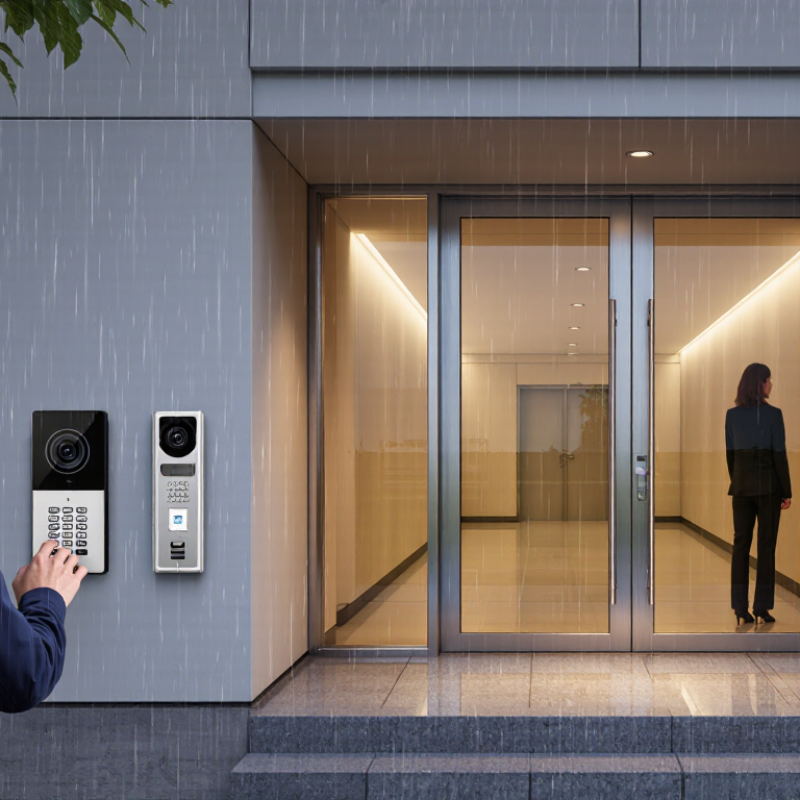
Table of Contents [Hide]
What Is a Video Entry Phone and How Does It Work?
A video entry phone combines a door camera, microphone, speaker, and indoor display. When a visitor presses the call button, the door unit sends live video and audio to a monitor or approved mobile device. Residents can see the visitor, speak with them, and release the door through a controlled relay. Some systems also store snapshots or recordings, but storage settings require careful attention.
In practical installations, clear camera placement matters more than expensive features. The lens should show the visitor’s face without strong sunlight behind them. A stable network improves communication, while backup power can keep the system working during short outages. Professional installers should test audio, night vision, door-release timing, and emergency procedures. Security is never perfect. A weak password, outdated software, or poor wiring can reduce protection. That part is easy to overlook.
Tips: Keep the camera near eye level. Use unique passwords and update system software regularly. Limit recording access to trusted users, and explain privacy notices clearly to visitors. Test the system every few months, including during network failure. If the door opens too slowly or the audio sounds unclear, treat that as a real security issue, not a minor inconvenience. Local building rules and privacy requirements should also guide installation and data retention.