
-
- Products
- Indoor Household Cords
- Appliance Cords
- General Purpose Short-Length Cords
- General Purpose Extension Cords
- Landscape & Decorating Cords
- Bright Color Extension Cords
- Oil-Resistant Extension Cords
- Cold-Flex Extension Cords
- VividFlex Power Cords
- EXTREME All-Weather Cords
- Cord Management
- Task Lights
- Adapters & GFCI Devices
- Where to Buy
- About
- Careers
- Glossary
- Catalog


Why Choose an Outdoor Steel Enclosure Box?
Outdoor electrical equipment faces rain, dust, sunlight, vibration, and sudden temperature changes. An Outdoor Steel Enclosure Box provides a strong barrier against these everyday stresses. Its rigid steel body can protect control panels, junction points, power supplies, and communication devices in demanding locations.
In practical installations, enclosure performance begins with the material and finish. Galvanized or powder-coated steel can help resist corrosion when properly specified. Sealed doors, secure hinges, and suitable cable glands reduce moisture entry. Ventilation accessories may also control internal heat, especially near motors or exposed walls. Small details matter here.
Installation quality matters just as much. A poorly sealed cable entry can weaken an otherwise durable enclosure. That lesson is easy to overlook. Experienced technicians check mounting surfaces, door alignment, grounding arrangements, and drainage conditions before final placement. They also inspect fasteners after vibration or seasonal weather changes.
Steel offers excellent impact resistance and a professional appearance. It can support larger equipment without flexing like thinner materials. However, it is not a universal solution. Steel may add weight, and untreated surfaces can corrode in harsh environments. Material thickness, coating quality, IP or NEMA protection ratings, and local climate should guide the selection.
There is no perfect box.
A reliable choice balances protection, access, maintenance, and cost. Manufacturer specifications provide useful evidence, but real site conditions deserve equal attention. With careful planning and regular inspection, an Outdoor Steel Enclosure Box can support safer, cleaner, and more dependable equipment installations.
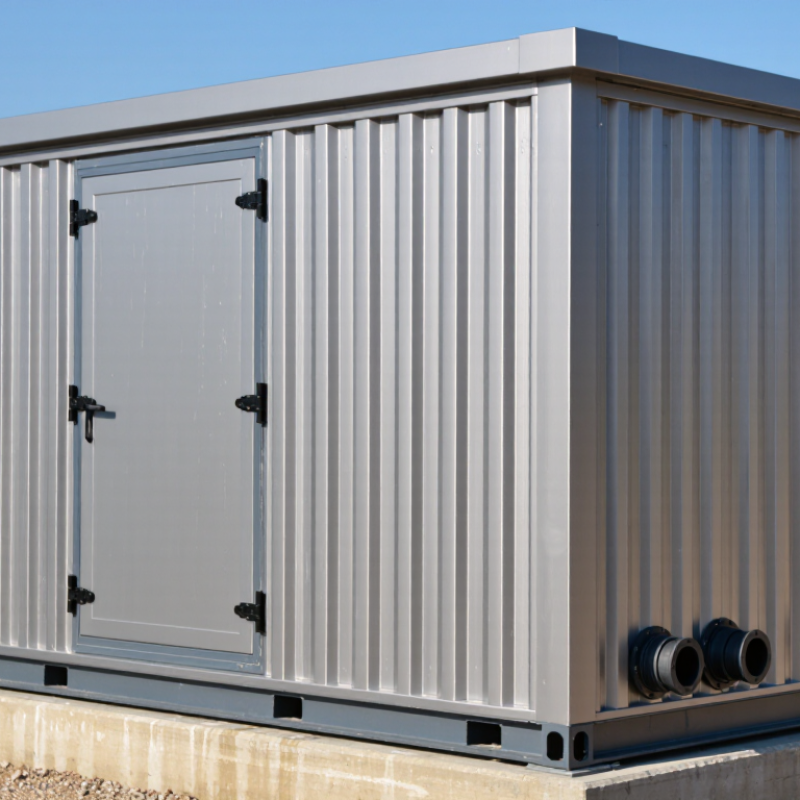
Table of Contents [Hide]
What an Outdoor Steel Enclosure Box Is: Scope, Parts, and Uses
Why Choose an Outdoor Steel Enclosure Box?
An outdoor steel enclosure box protects electrical and control equipment from rain, dust, impact, and unwanted access. It is not just a metal box. Its scope includes the cabinet body, hinged door, lock, mounting plate, cable glands, seals, and ventilation parts. Each component affects reliability outside.
The steel body provides mechanical strength around switches, terminals, power supplies, and monitoring devices. A coated surface can reduce corrosion, but coating quality matters more than appearance. Door gaskets help block moisture around the opening. Cable glands seal entry points and reduce strain on connected wires. Details matter.
In practical installations, technicians mount these enclosures on walls, poles, frames, or concrete bases. Common uses include pump controls, lighting systems, irrigation equipment, security wiring, and industrial sensors. A clear internal layout makes inspection easier, especially when gloves or poor weather slow the work. Leave enough space for heat, cable bends, and future repairs. Overfilling the box is a common mistake.
Material thickness, drainage, grounding, and the required ingress protection rating deserve careful review.
A steel enclosure may perform poorly if water collects beneath it or if the door is misaligned. Field conditions are rarely perfect.
Dust, salt air, sunlight, and temperature changes can expose weaknesses that a workshop check misses. Experienced installers often inspect seals and fasteners again after the first season.