Why Does My Air Conditioner Drip Water?
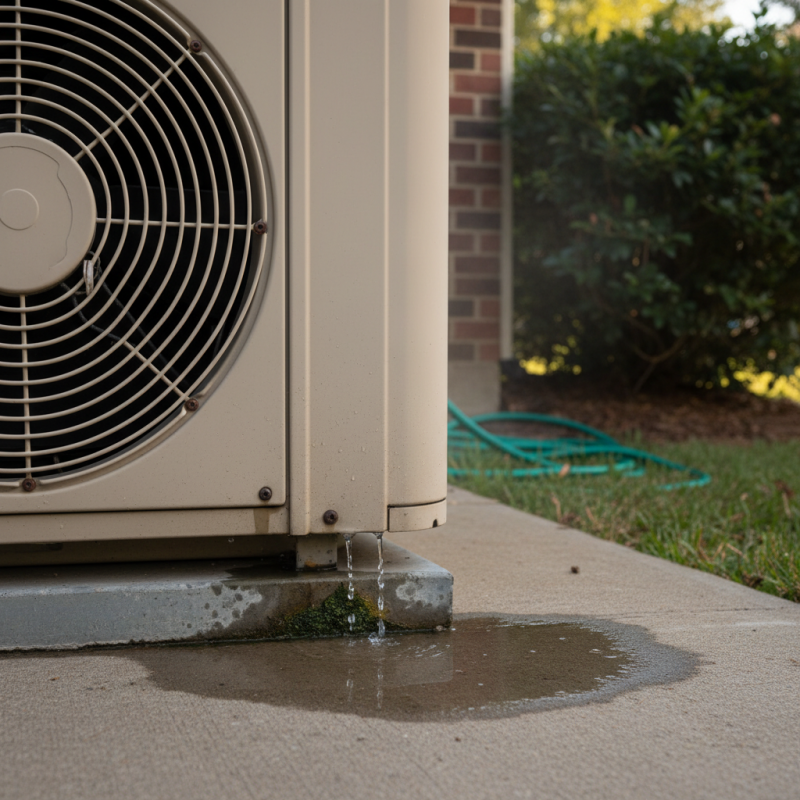
Air Conditioner Water can be a common issue for many homeowners. When your air conditioning unit drips water, it raises concerns about its efficiency. Understanding the causes of this problem is crucial. Excess moisture can indicate a malfunctioning system or a clog in the drain line.
Condensation occurs as warm air meets the cold coils. When the temperature difference is significant, more water forms. Sometimes, the drip pan overflows if it’s not emptied regularly. Poor insulation can also lead to additional humidity. Each of these factors needs careful inspection to prevent further damage.
Neglecting the water issue may lead to bigger problems. Mold growth is a real concern if water builds up in or around the unit. Regular maintenance checks can prevent these situations. Learning about your air conditioner will help you address these issues effectively. Keeping track of the Air Conditioner Water situation ensures your home stays comfortable.
Understanding the Basics of Air Conditioner Water Dripping Issues
Air conditioners are designed to cool your home effectively. However, water dripping can become a common issue. It's essential to understand why this occurs. A primary reason for water leakage is a clogged drain line. When this line becomes blocked with dirt or debris, condensation cannot escape. This leads to water buildup and dripping.
Another factor to consider is low refrigerant levels. When the refrigerant is insufficient, it can cause the coils to freeze. When the coils thaw, excess water can drip instead of evaporating as intended. Regular maintenance of your air conditioner prevents these issues. Simple checks, like cleaning the drain line, can make a significant difference.
In some cases, faulty installation may lead to problems. If the unit is not the right size or is incorrectly placed, it can cause dripping. It’s a reminder to reflect on the importance of professional installation. Even minor details matter. Ensuring proper airflow is also crucial for efficient operation. By addressing these points, you can maintain an effective air conditioning system.
Common Causes of Water Dripping from Air Conditioners
Water dripping from your air conditioner can be concerning. The causes are often straightforward but can lead to bigger issues if not addressed. One common reason is a clogged drain line. Dust and mold can build up over time, blocking the flow of water. When this happens, water can overflow and drip inside your space.
Another factor might be low refrigerant levels. This situation causes the evaporator coil to freeze. When the coil melts, excess water forms and drips. Routine maintenance can help prevent this, but many people overlook it. Ignoring these issues can mean costly repairs later.
In some cases, improper installation is to blame. If the unit isn’t level, condensation can gather and leak. This can be easily overlooked and must be checked periodically. Regular inspections and addressing these common issues can ensure your system operates smoothly. Consider seeking professional advice if problems persist.
Signs of a Clogged Drain Line and Its Impact on AC Performance
A clogged drain line can lead to significant problems with your air conditioner. When the drain line becomes blocked, it prevents condensation from exiting the unit. Instead, the water backs up inside the system. This can cause dripping water from your AC, which may even lead to water damage in your home.
Signs of a clogged drain line often include visible water pooling near the indoor unit. You might also notice increased humidity levels in your home. This can create an uncomfortable environment and affect the efficiency of the AC. If the problem persists, it can result in compressor failure and costly repairs. Regular maintenance is crucial to avoid these complications.
Checking the drain line should be part of your routine. Inspecting it monthly helps ensure clear pathways for the water to flow. Without this attention, problems can escalate quickly. Ignoring small drips may lead to larger issues that are more than just a nuisance. Understanding these signs is essential to keeping your air conditioning system running smoothly.
How to Prevent Water Leaks from Your Air Conditioner
Air conditioners play a vital role in maintaining comfort indoors, but water leaks can occur, leading to potential damage. According to the U.S. Department of Energy, as much as 30% of energy used in homes stems from HVAC systems. Improper installation or maintenance are common causes of leaks. Ensuring that your system is installed correctly can significantly reduce the risk of condensation buildup.
Regular maintenance is essential. A study by the Air Conditioning Contractors of America indicated that routine inspections can prevent 80% of common problems. Check the condensate drain line for clogs. A blockage can lead to excess water accumulation. This issue can happen in older units where dust and debris often accumulate. Cleaning the drain line can be done easily with a wet/dry vacuum or a plumber's snake.
Another smart step is to insulate the ducts. Poor insulation can contribute to condensation. The North American Insulation Manufacturers Association suggests that properly insulated ducts can improve efficiency by up to 30%. When the ducts are not insulated well, warmer air can cause moisture to drip. Addressing these matters helps maintain a comfortable and safe environment without unexpected leaks.
When to Seek Professional Help for AC Water Dripping Problems
When your air conditioner drips water, it can be more than just a nuisance. This issue might indicate a bigger problem. Understanding when to call a professional is crucial for maintaining your unit. If you notice water pooling around the air conditioner, don't wait too long to act. This could damage your home and promote mold growth.
A common cause of water dripping is a clogged drain line. When dirt and debris build up, it obstructs proper drainage. Regular maintenance can help prevent this issue. Consider checking your filter monthly. A clean filter allows for better airflow and helps the system run efficiently. This simple task can reduce the chance of water problems.
If you're unsure whether to seek help, look for signs of frost or ice on the coils. This might indicate a refrigerant issue or poor airflow. Both situations require professional expertise. If the problem persists, even with a clean filter, it’s time to consult an HVAC technician. Their knowledge can save you time and money in the long run. Not addressing these symptoms can lead to larger, more costly repairs later on.
Water Dripping Issues in Air Conditioners
This chart illustrates the common causes of water dripping issues in air conditioners, based on 100 reported incidents. The most prevalent cause is a clogged drain line, followed by a dirty air filter and low refrigerant levels. Understanding these issues can help homeowners identify when to seek professional assistance.