Why Is Power Cord Wire Getting Hot?

Why Is Power Cord Wire Getting Hot?

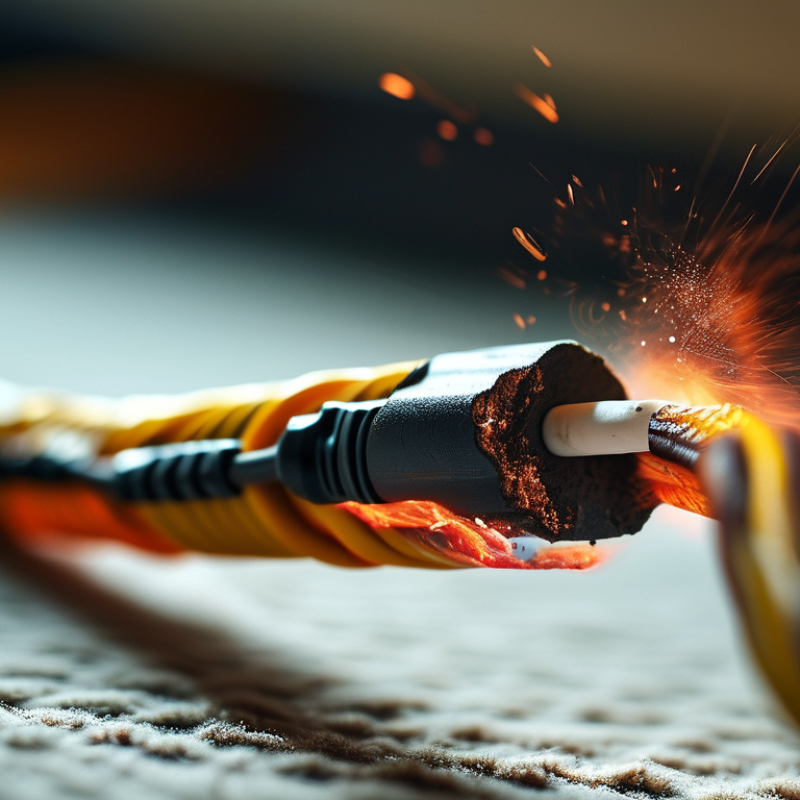
A warm power cord wire can signal more than normal electrical operation. A slightly warm surface may occur during heavy use. However, noticeable heat, soft insulation, discoloration, or a burning smell requires immediate attention. The danger often hides near the plug, socket, or cable entry point.

Brett Brenner, former president of the Electrical Safety Foundation International, has repeatedly emphasized this practical warning: “If a cord is damaged, replace it.” That advice remains highly relevant. A loose connection can create electrical resistance, much like a narrow doorway slows a crowd. The current continues, but heat builds at the restricted point.

Overloading is another common cause. A power cord wire may become hot when it supplies equipment beyond its rated capacity. Coiled cords can also trap heat under rugs, furniture, or tightly wrapped storage. Damaged insulation, bent conductors, and low-quality replacement cords create additional risks. The cord may look normal.

That is the uncomfortable part.

In real maintenance work, checking temperature by touch is only an early warning, not a reliable diagnosis. Stop using the cord if it feels unusually hot. Disconnect it safely, inspect the plug and outlet, and look for dark marks or melted plastic. Do not repair damaged insulation with ordinary tape. A qualified electrician should examine repeated heating, loose outlets, or circuits that trip often. Even experienced users can miss an internal fault, so uncertainty deserves caution rather than another test.

Why Is Power Cord Wire Getting Hot?

What Causes Power Cord Wires to Become Hot?

Why Is Power Cord Wire Getting Hot?

Power cord wires become hot when electrical resistance turns current into heat. A heavy load can push a cord beyond its intended capacity. Space heaters, cooking appliances, and power tools often draw substantial current. A thin or overly long cord may heat faster because it offers more resistance. Coiling the cord tightly can trap that heat. The outside may feel warm while the insulation slowly weakens inside.

Loose connections are another common cause. A partly inserted plug, worn receptacle, or damaged terminal creates a small contact area. Current then passes through a restricted point, producing concentrated heat. Dust, moisture, crushed insulation, and bent plug pins can also increase resistance.

I once assumed warmth meant the cord was working normally. That assumption was too casual. Slight warmth can occur, but a cord should not become painfully hot, smell like plastic, change color, or feel soft.

Check whether the appliance exceeds the cord’s rated current and voltage. Inspect the entire length, especially near the plug and connector. Do not use a cord with cuts, exposed conductors, burn marks, or loose fittings. Unplug it carefully if the connection is safe to handle, and let it cool before inspection. Avoid running cords under rugs or tightly bundling them during use. If the cause is unclear, stop using the equipment and ask a qualified electrician to test the circuit. Guessing can miss a hidden connection fault.

How Electrical Current and Resistance Produce Heat

Why Is Power Cord Wire Getting Hot?

How Electrical Current and Resistance Produce Heat

A power cord warms when electrical current meets resistance. The relationship is simple: heat rises with I²R, where I is current and R is resistance. A small increase in resistance can create noticeable heat. This often happens at a loose plug, damaged terminal, or partly broken conductor. The heat may concentrate there, rather than along the entire cord.

Feel it early.

A cord carrying more current than its design allows also heats continuously. Thin wire has greater resistance per length. Long extensions add more resistance. Coiled cords can trap heat around their center. Poor airflow makes insulation warmer, even when current seems normal. During practical inspections, I look for soft insulation, darkened plastic, a burnt smell, or warmth near one connection. These details matter. Touch is not a reliable measurement.

Unplug the equipment before examining the cord, if safe. Do not keep using a cord with melted insulation or exposed conductors. Replace damaged parts with correctly rated wiring, and ask a qualified electrician to test unclear faults.

I once assumed that “it still works” meant the cord was safe. That assumption needed revision.

Current may rise under load. A loose connection may worsen with vibration. Keep cords fully uncoiled, avoid crushing them, and match their rating to the equipment and supply.

Which Power Cord Problems Increase Overheating Risks?

Why Is Power Cord Wire Getting Hot?

A warm power cord deserves attention. Excess heat usually begins with resistance inside the cord, plug, or connection. The U.S. Consumer Product Safety Commission estimates that extension cords cause about 3,300 residential fires annually, with approximately 50 deaths and 270 injuries. These figures show why a small cord problem can become a serious hazard.

Which Power Cord Problems Increase Overheating Risks?

Undersized wire is a common cause. A thin conductor carrying a high-current appliance behaves like a narrow road under heavy traffic. It heats gradually, especially when covered by rugs, bedding, or tightly coiled cable. Loose plug contacts create another danger. They can produce tiny hot spots, discoloration, or a faint crackling sound. That is not normal.

Damaged insulation also allows heat to escape poorly and may expose conductors. Bent blades, crushed sections, and wet connectors deserve immediate replacement by a qualified electrician. The National Fire Protection Association reported an estimated average of 31,430 home fires annually involving electrical distribution and lighting equipment from 2016 to 2020. Those fires caused about 470 civilian deaths and 1,100 injuries. A 2024 inspection may still miss an aging cord hidden behind furniture. I may be too cautious, but replacing questionable cords is cheaper than guessing. Use the cord’s rated load, keep connections visible, and never rely on a hot plug as “normal.”

How to Check a Hot Power Cord Safely

A hot power cord needs a careful check, not a quick guess. Disconnect the appliance immediately. Turn off the circuit breaker if the plug or outlet feels unsafe. Let the cord cool completely. Never pull the cable itself. Use the plug body.

Look for melted insulation, dark marks, bulges, cracks, exposed wires, or a sharp burnt smell. Check both ends, especially where the cord enters the plug and appliance. A loose connection may create heat at one small point. An overloaded extension cord may feel warm along its length. Do not guess. Replace damaged cords instead of taping them temporarily. The U.S. Consumer Product Safety Commission estimates about 400 electrocutions and roughly 30,000 nonfatal electrical shock injuries occur annually in the United States. A warm cord deserves attention.

Test the outlet only after restoring safe conditions. A listed receptacle tester can identify some wiring faults, but it cannot prove every hazard is absent. I would not touch the outlet faceplate with wet hands or remove it without proper training. NFPA’s Home Structure Fires report for 2016–2020 found electrical distribution and lighting equipment involved in about 24% of reported home fires. That figure does not mean every warm cord will cause a fire. It does show why small warning signs matter. If heating returns with a known-good cord, stop using the appliance and arrange inspection by a qualified electrician. I sometimes find the real problem is the outlet, not the cord. That mistake is easy to make.

Why Is Power Cord Wire Getting Hot? - How to Check a Hot Power Cord Safely

Observed Condition Most Likely Cause What It Indicates Safe Check Recommended Action Risk Level
Cord is slightly warm along its length Normal resistance heating under load The appliance is drawing current and the cable is dissipating a small amount of heat Switch off and unplug the appliance before inspecting the cord for damage, tight bends, or covering Keep the cord straight, uncovered, and away from heat sources; monitor it during use Low, if no damage is present
Cord becomes hot near the plug or socket Loose connection, worn contacts, corrosion, or an overloaded connection point High contact resistance is producing localized heat Turn off the circuit if safe to do so; do not touch melted or discolored parts while energized Stop using the outlet and cord; have the receptacle, plug, and connections inspected by a qualified electrician High
Heat is concentrated at one crushed, sharply bent, or pinched section Damaged conductors or reduced heat dissipation The cable may have increased resistance or internal mechanical damage Unplug before handling; inspect the outer jacket for cuts, flattening, cracks, or exposed wires Replace the complete cord or have it replaced; do not tape over serious damage High
Cord is warm when coiled or covered by a rug Heat cannot escape and the cable may be operating in a bundled condition The same electrical load can produce a higher cable temperature when ventilation is restricted Unplug the cord and allow it to cool before uncoiling or moving it Use the cord fully uncoiled and keep it clear of rugs, bedding, insulation, and furniture Medium to high
Cord heats up when several appliances share one extension lead The combined current exceeds the extension lead or outlet rating Overloading can cause excessive heating and may create a fire hazard Unplug the connected appliances before calculating their total wattage or current Use a correctly rated supply; avoid daisy-chaining extension leads and avoid using extension leads for high-power loads unless permitted High
Plug, outlet, or insulation smells burnt Arcing, overheating, loose wiring, or insulation failure Electrical components may already be damaged Do not pull on the cord or continue testing while energized; disconnect power from the circuit if possible Stop using the equipment and arrange an urgent inspection; replace visibly damaged parts Severe
Circuit breaker or fuse trips repeatedly Overload, short circuit, ground fault, or defective appliance The protective device is detecting an abnormal electrical condition Do not repeatedly reset the breaker; unplug loads and identify whether the problem follows one appliance Have the appliance, cord, and circuit checked by a qualified electrician High
Cord has exposed copper, cuts, cracks, or melted insulation Physical damage, aging, chemical exposure, or excessive heat The insulation may no longer provide adequate shock and short-circuit protection Disconnect power before visual inspection; never test exposed conductors by touch Replace the cord or appliance assembly; do not use household tape as a permanent repair Severe
Cord is hot only when a high-power appliance operates Load current is high, or the cord is undersized or unsuitable for the appliance Power demand may be approaching or exceeding the cord's rated capacity Check the appliance rating plate and the cord's printed electrical rating after unplugging Use a cord with the correct voltage, current, grounding, and environmental rating; never substitute a lighter-duty cord Medium to high
Temperature rises quickly during a short period of use Faulty appliance, short circuit, poor connection, or severely overloaded cable Rapid heating is abnormal and should not be monitored by continued operation Switch off power immediately if safe; keep clear of smoke, sparks, and damaged insulation Do not reuse the cord or appliance until inspected or replaced; call emergency services if there is smoke or fire Severe
Safety note: A power cord that is hot to the touch, smells burnt, shows discoloration, makes crackling sounds, or has damaged insulation should be disconnected and removed from service. Do not use water on an electrical fire. If smoke or flames appear, leave the area and contact emergency services.

When to Repair or Replace an Overheated Power Cord

Why Is Power Cord Wire Getting Hot?

When to Repair or Replace an Overheated Power Cord

A power cord may feel slightly warm during normal use. However, a hot cord needs prompt attention. Excess heat can come from an overloaded circuit, loose connections, damaged insulation, or a plug that does not fit tightly. In practical inspections, discoloration near the plug often reveals the problem first. A sharp plastic smell, buzzing sound, melted areas, or exposed copper means the cord should be replaced. Do not cover damaged insulation with tape. It may hide heat while the internal conductors continue deteriorating.

Repair is only reasonable when the damage is minor and limited to a replaceable plug or connector. This work should be completed by a qualified professional using correctly rated parts. A cord that is brittle, crushed, cut deeply, or hot along its length usually needs full replacement. Stop using it, unplug it safely, and let it cool before inspection. Never pull the plug by its cable. That habit can loosen internal connections over time. I have found that repeated warming is easy to dismiss, but that judgment can be wrong.

Tips: Match the cord’s rating to the appliance. Keep it away from heaters and wet surfaces. Check plugs for dark marks. Do not run cords under rugs. If heating returns after a repair, replace the cord and have the outlet checked by a qualified electrician.