Best GFCI Power Cord Options for Safe Electrical Use?
When dealing with electrical safety, a GFCI power cord is essential. This cord protects against electrical shocks by interrupting the flow of electricity in dangerous situations. Homeowners and contractors alike often overlook this crucial aspect of electrical safety.
Choosing the right GFCI power cord can be overwhelming. The market offers numerous options, each with varied features and specifications. It is important to understand how these cords function and what to look for when selecting one. For instance, factors like the cord’s length, capacity, and durability can significantly impact its effectiveness.
Using a GFCI power cord brings peace of mind. However, some people may still question its reliability or fail to recognize its importance. Regular maintenance is vital to ensure these cords function correctly. Taking the time to assess your needs and evaluate different options will help you make a more informed choice. Embracing this knowledge can lead to safer electrical use, ultimately protecting your family and home.

Understanding GFCI Power Cords and Their Importance in Electrical Safety
GFCI power cords are critical for ensuring safety in electrical use. GFCI stands for Ground Fault Circuit Interrupter. These cords detect imbalances in electrical currents. When such an imbalance occurs, they cut off electricity in mere milliseconds. This rapid response significantly reduces the risk of electrical shocks.
Understanding their importance is key for anyone using electricity outdoors or in damp environments. Regular cords can fail to protect you effectively in these situations. GFCI power cords provide added security, especially in wet or humid conditions. They are particularly vital for power tools, outdoor lights, and appliances near water sources.
However, not all GFCI cords are created equal. Users need to monitor their condition regularly. A damaged cord may not function properly, thus compromising safety. It’s essential to check for frays or cracks frequently. The nature of electrical use means that vigilance is crucial. A small oversight can lead to unforeseen hazards.
Key Features to Look for in a GFCI Power Cord
When selecting a GFCI power cord, three key features stand out. First, consider the amperage rating of the cord. Most residential applications require a cord rated at 15 or 20 amps. A lower rating may not handle higher electrical loads safely, leading to potential hazards. Always check this rating to ensure your cord meets your device's requirements.
Next, look for the length of the cord. It should be long enough to avoid using multiple extension cords. A lengthy cord also minimizes the risk of tripping over it. However, consider that longer cords may result in power loss, so balance is crucial.
Lastly, check for waterproof and weather-resistant designs if you need to use the cord outdoors. A cord with these features remains safe in wet conditions. Regular inspections for wear and tear are essential. Even the best cords can develop issues over time. Remember, safety is paramount, and a reliable GFCI power cord helps protect against electrical shocks and hazards.
Best GFCI Power Cord Options for Safe Electrical Use
| Feature |
Description |
Benefits |
| Ground Fault Protection |
Automatically cuts off power when a ground fault is detected. |
Prevents electrical shock and enhances safety. |
| Durability |
Made with heavy-duty materials to withstand wear and tear. |
Long-lasting use in various environments. |
| Cord Length |
Available in multiple lengths, typically ranging from 6 to 25 feet. |
Flexibility in usage for different setups. |
| Watts Rating |
Designed to handle various wattage loads, usually up to 15A. |
Suitable for a wide range of appliances. |
| Weather Resistance |
Waterproof and UV resistant options available. |
Ideal for outdoor and industrial use. |
Top Brands and Models of GFCI Power Cords Reviewed
When looking for reliable GFCI power cords, it’s essential to focus on safety and functionality. These cords play a critical role in preventing electrical shocks. Many GFCI power cords come with built-in ground fault protection. This feature automatically shuts off the power when a fault is detected. Checking the specifications helps ensure you choose the right option for your needs.
Numerous models are available in the market. Some offer extra ruggedness for outdoor use. Others are designed for indoor safety. Be cautious about the power rating. Using a cord that exceeds your appliance’s requirements can lead to hazards. Look for clear indicators on the cord itself for maximum rating details. Customer reviews often provide useful insights on real-world performance. However, relying solely on reviews can be misleading.
Quality and price can vary significantly among different options. Generally, well-known brands tend to offer more rigorous testing. Lesser-known brands may provide good performance but often lack extensive reliability documentation. It’s wise to do thorough research before making a purchase. Take time to analyze user feedback and expert opinions, ensuring a safe choice. Ignoring these details might lead to regret later.
Best GFCI Power Cord Options for Safe Electrical Use
This chart illustrates important performance metrics for GFCI power cords, focusing on factors such as cord length, water resistance, trip time, and durability rating. These metrics are essential for evaluating GFCI power cords to ensure safe electrical use.
Installation Tips for GFCI Power Cords in Various Settings
When installing GFCI power cords, choosing the right location is essential. Areas prone to moisture, like bathrooms or kitchens, require extra care. Ensure the cords are not stretched tight, which may cause wear over time. Use protective covers in outdoor settings to shield them from the elements.
Proper grounding is crucial for safety. All connections need to be secure and meet local electrical codes. Double-check that the cord is rated for the device you plan to use. Sometimes, users may rush the installation, leading to improper connections. Rushing can result in malfunction, so take your time.
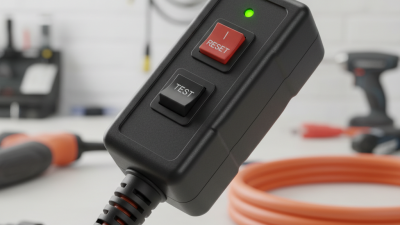
Testing the GFCI cord regularly is vital. Press the test button to ensure it operates correctly. If the reset button doesn’t function, the cord may not be reliable. Inaccessible installations might not be obvious until a problem arises. Regular checks can prevent electrical issues before they escalate.
Maintenance and Troubleshooting for GFCI Power Cords
GFCI power cords play a crucial role in maintaining electrical safety. These cords are designed to prevent electric shocks by interrupting the current flow when a fault is detected. However, like any electrical equipment, they require regular maintenance and occasional troubleshooting.
One common issue with GFCI power cords is nuisance tripping. This can happen due to moisture in the outlet or an overload on the circuit. Regularly check the cord and plugs for any signs of wear or damage. Moisture can lead to short circuits. If the cord frequently trips, it may need replacing, or the outlet may be faulty.
Another aspect to consider is testing the GFCI feature. Most cords come with a test button. Pressing it should cut off power. If it doesn’t, the cord may be malfunctioning. Always verify that the reset button restores power. Keeping the connection clean can enhance performance. Dust and debris can interfere with the electrical flow. Addressing these small details can lead to better safety and efficiency.