
-
- Products
- Indoor Household Cords
- Appliance Cords
- General Purpose Short-Length Cords
- General Purpose Extension Cords
- Landscape & Decorating Cords
- Bright Color Extension Cords
- Oil-Resistant Extension Cords
- Cold-Flex Extension Cords
- VividFlex Power Cords
- EXTREME All-Weather Cords
- Cord Management
- Task Lights
- Adapters & GFCI Devices
- Where to Buy
- About
- Careers
- Glossary
- Catalog


Top 10 Best Long Extension Cords for Every Need
Choosing the right long extension cords is less about buying the longest cable. It is about matching length, gauge, load, insulation, and location. A 100-foot cord can reach a distant workshop, but excessive length may increase voltage drop and create storage hazards. The wrong cord can also become warm beneath a rug or beside a damp doorway.
Safety data makes this choice practical, not cosmetic. The U.S. Fire Administration reports that extension cords cause about 3,300 residential fires annually, with roughly 50 deaths and 270 injuries. The Electrical Safety Foundation International also warns that overloaded cords, damaged insulation, and improper outdoor use remain common electrical hazards. These figures support a careful comparison, not a rushed purchase.
This guide reviews the Top 10 Best Long Extension Cords for Every Need. Each option is considered for conductor gauge, rated amperage, jacket durability, plug design, weather resistance, and flexibility. Outdoor users may need sunlight-resistant jackets and grounded three-prong plugs. Workshop users may prioritize 12-gauge construction for demanding tools. Indoor users often need lighter cords for lamps, chargers, or seasonal equipment.
Real experience matters here. A cord that feels flexible in a store may stiffen in winter. A bright jacket may improve visibility, but it cannot correct overloading. I may favor practical safety over the lowest price, although personal budgets differ. Always check the appliance label and the cord’s rating before connection. Do not guess.
Small details matter.
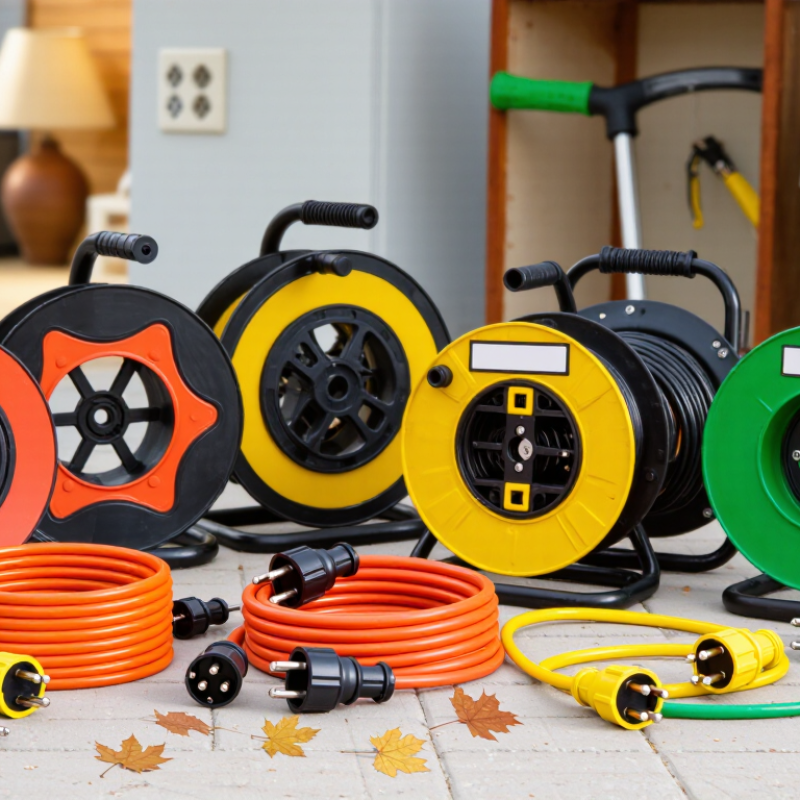
Table of Contents
[Hide]
Understanding Long Extension Cords: Length, Gauge, and Power Capacity
Choosing among the top 10 long extension cords starts with more than measuring distance. Length, wire gauge, and power capacity must work together. A 100-foot cord may reach a distant shed, but added length increases electrical resistance and voltage drop. That can make motors start poorly or tools run hotter.
Gauge matters. Lower gauge numbers usually mean thicker conductors and greater capacity. A heavy-duty 12-gauge cord often suits demanding tools, while a 16-gauge cord may fit lighter lamps or small electronics. Check the equipment’s wattage and the cord’s rated amperage before connecting anything. Do not judge capacity by appearance alone. That mistake is common.
In real use, I measure the route first and leave slight slack, rather than buying excessive length. I also inspect plugs, insulation, and connection points before every outdoor job. Use cords marked for outdoor conditions when moisture or sunlight is possible, and keep connections away from puddles. Never connect multiple long cords to compensate for poor planning; the combined length can increase voltage loss and heat. A cord reel may help with storage, but a tightly coiled cord can retain heat under heavy loads. Uncoil it fully when powering equipment. I once underestimated how quickly a high-load tool warmed a cord, so I now check it during breaks. It is a small habit, but not a perfect substitute for correct sizing. For uncertain loads, consult a qualified electrician and follow the local electrical guidance.
Top 10 Best Long Extension Cords for Every Need - Understanding Long Extension Cords: Length, Gauge, and Power Capacity
| Rank | Recommended Cord Type | Length | Wire Gauge | Recommended Continuous Load | Approx. Capacity at 120 V | Best For | Key Consideration |
|---|---|---|---|---|---|---|---|
| 1 | Heavy-duty outdoor extension cord | 100 ft | 12 AWG | 15 A | 1,800 W | Large power tools, outdoor equipment, and workshop applications | Use a grounded, weather-resistant cord rated for outdoor service; fully uncoil before use. |
| 2 | Heavy-duty general-purpose cord | 50 ft | 12 AWG | 15 A | 1,800 W | Table saws, shop vacuums, compressors, and demanding household equipment | The thicker conductor helps reduce voltage drop over medium distances. |
| 3 | Heavy-duty high-load cord | 25 ft | 12 AWG | 15 A | 1,800 W | High-power tools, garage equipment, and short-distance workshop use | Keep the cord away from sharp edges, hot surfaces, water, and moving parts. |
| 4 | Medium-duty outdoor cord | 100 ft | 14 AWG | 10 A | 1,200 W | Lighting, lawn equipment, fans, and moderate outdoor loads | Suitable for moderate power over a long distance, but less appropriate for large motors. |
| 5 | Medium-duty general-purpose cord | 50 ft | 14 AWG | 13 A | 1,560 W | Vacuum cleaners, drills, lights, and household appliances | Check the appliance nameplate; motor-starting current can exceed normal running current. |
| 6 | Medium-duty compact cord | 25 ft | 14 AWG | 15 A | 1,800 W | Indoor tools, temporary work areas, and higher-load short runs | Do not connect multiple extension cords together to increase total length. |
| 7 | Light-duty long-reach cord | 100 ft | 16 AWG | 7 A | 840 W | LED lighting, small fans, chargers, and low-power electronics | Not recommended for high-wattage heaters, large tools, or continuous motor loads. |
| 8 | Light-duty multipurpose cord | 50 ft | 16 AWG | 10 A | 1,200 W | Home office equipment, lamps, small appliances, and light-duty tools | Choose a grounded version for appliances with three-prong plugs. |
| 9 | Light-duty short cord | 25 ft | 16 AWG | 13 A | 1,560 W | Indoor appliances, temporary lighting, and short-distance tool use | Keep the cord loosely arranged and avoid covering it with rugs or other materials. |
| 10 | Low-load convenience cord | 100 ft | 18 AWG | 3 A | 360 W | Decorative lighting, small chargers, and low-power electronic devices | Use only for low-wattage loads; the small conductor is unsuitable for heating appliances or power tools. |
Selection note: Capacity figures are conservative guidelines for typical 120 V, three-conductor copper extension cords used temporarily in open air. Actual ratings vary by cord construction, insulation, temperature, plug configuration, and applicable safety standards. Always follow the cord and appliance labels, use a cord with equal or higher voltage and amperage ratings, and fully unwind long cords before applying a substantial load.
Related Posts
-
What Are the Best Long Extension Cords in 2026?
-
What Is an Indoor Extension Cord and How to Choose One?
-
How to Choose the Right HD Extension Cord?
-
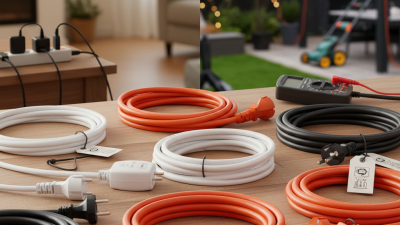
How to Choose the Best Extension Cords for Your Home and Outdoor Needs
-
Transform Your Space: 7 Stylish and Functional Cool Extension Cords You Didn’t Know You Needed
-
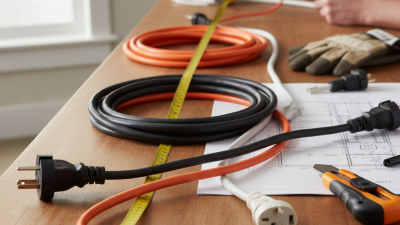
What are Long Extension Cords and How to Choose the Right One