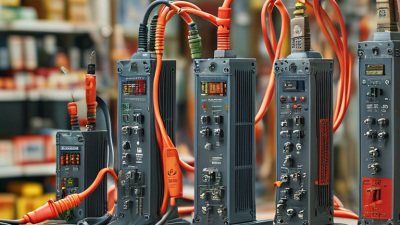
Why Choose a Power Cord Extension Cable?
Why Choose a Power Cord Extension Cable?
A power cord extension cable can turn a distant wall outlet into a practical workspace connection. It helps power lamps, tools, monitors, kitchen appliances, and outdoor equipment without moving the entire setup. The right cable also reduces awkward positioning, especially when furniture blocks a nearby socket. Still, convenience should never replace careful selection.
Electrical safety educator Mike Holt often reminds users, “Never use an extension cord as a permanent wiring solution.” That warning matters. A cable resting under a rug may trap heat. A damaged plug may expose copper conductors. A thin indoor cord may struggle with a powerful heater or workshop tool. These details are easy to miss.
A suitable power cord extension cable should match the appliance’s wattage, environment, length, and plug type. Look for clear ratings, strong strain relief, grounded construction, and recognized safety markings. Outdoor use requires weather-resistant protection. High-load devices need heavier conductors. Longer cables can also experience voltage drop, which may reduce equipment performance.
Small decisions matter.
My own practical view is less polished: buyers sometimes choose by length and price alone. I understand why. Yet that shortcut can create unnecessary heat, clutter, and early cable failure. A reliable extension cable is not merely extra wire. It is part of a safer power arrangement. This guide examines the main reasons to choose one, where it works well, and when another electrical solution would be wiser.
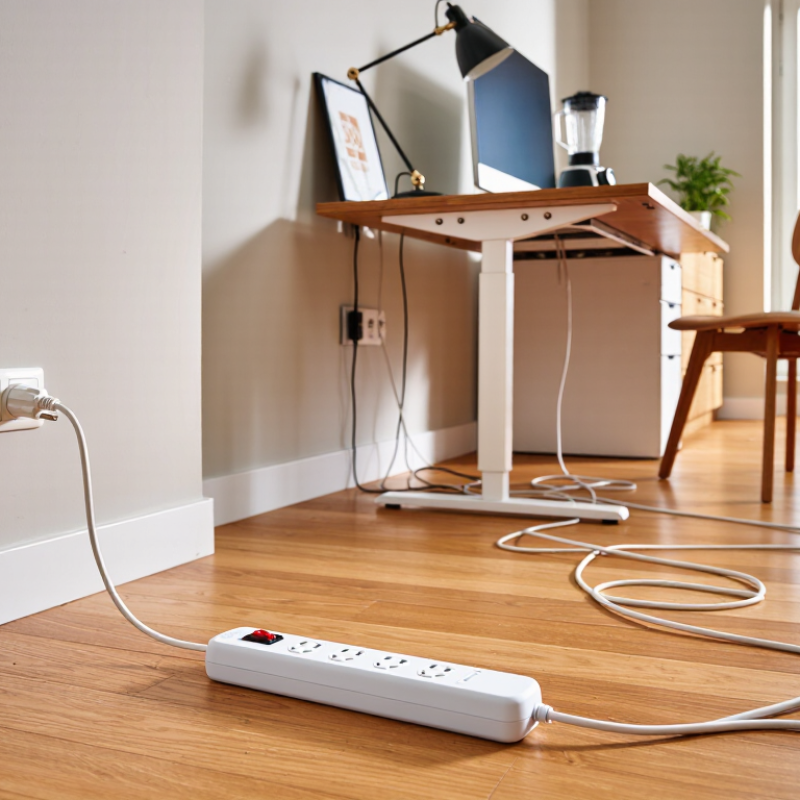
What Is a Power Cord Extension Cable?
What Is a Power Cord Extension Cable?
A power cord extension cable is a flexible cable with a plug at one end and a socket at the other. It carries electricity from a fixed outlet to equipment placed farther away. This simple design helps power lamps, tools, appliances, and temporary work areas without moving the wall outlet.
Most extension cables contain insulated copper conductors, protective outer covering, and grounding protection when required. Their performance depends on cable length, wire size, voltage rating, and maximum load. A longer cable may experience greater voltage drop, especially when it powers high-demand equipment. I once assumed every cable worked the same way. That was a poor assumption. A thin cable can become warm under heavy use, which signals a serious problem.
Choose a cable rated for the equipment and location. Outdoor use requires weather-resistant protection. Indoor cables should remain dry and away from heat, sharp edges, and walking paths. Never connect several extension cables together or cover a working cable with rugs. Inspect the plug, socket, and insulation before each use. Replace damaged parts rather than repairing them casually.
Tips: Match the cable rating to the device. Keep connections visible. Unplug after use. Coiled cables can trap heat, so unwind them during operation.
How Does a Power Cord Extension Cable Work?
A power cord extension cable works by carrying electrical current from a wall outlet to a device beyond the original reach.
Inside, copper conductors guide electrons through insulated paths. The cable’s plug connects to the outlet, while its socket supplies power to the appliance. Grounded models add a third conductor, helping direct fault current away from users. Simple in appearance.
Performance depends on wire gauge, cable length, and load. Thinner conductors resist current more strongly and can generate heat. Longer cables also create voltage drop, especially when powering heaters, compressors, or workshop tools. The U.S. Consumer Product Safety Commission reports about 3,300 residential fires annually involving extension cords. That figure makes cable selection a technical decision, not a convenience choice.
A practical check starts with the appliance label. Add the wattage of connected devices, then compare it with the cable’s rated capacity. Never connect one extension cable to another; the connection may loosen and overheat. The Electrical Safety Foundation International advises inspecting cords for cuts, crushed insulation, and warm plugs. I have found that users often check the cable only after failure. That habit needs reconsideration. Keep the cable fully uncoiled during heavy use, avoid rugs that hide heat, and keep connections dry. Safety standards provide limits, but real conditions can be messier.
Why Use a Power Cord Extension Cable?
A power cord extension cable helps electricity reach equipment positioned away from a wall outlet. This is useful in workshops, offices, kitchens, and outdoor work areas. I have used one beside a workbench when the fixed outlet sat behind storage cabinets. The cable prevented awkward stretching and kept the tool close to hand. That small change improved control and reduced the chance of pulling the equipment from the bench.
Choose a cable with a suitable voltage, current rating, and conductor size. Check the equipment label before connecting it. A grounded cable is important for compatible appliances and tools. Keep the cable away from water, sharp edges, hot surfaces, and busy walkways. Fully unwind it during use, because tightly coiled cable can trap heat. It should feel cool, not hot.
Extension cables are not a permanent replacement for correctly installed outlets. Avoid connecting several cables together, especially with high-power devices. Inspect the plug, insulation, and socket before every use. Small cracks matter. I once ignored a loose connection because the device still worked, and that was poor judgment. Replace damaged cables and ask a qualified electrician when the load or installation is unclear.
What Features Should You Consider Before Choosing One?
A power cord extension cable adds reach when an outlet sits behind furniture, equipment, or a workbench. The right choice depends on more than length. The U.S. Consumer Product Safety Commission estimates that extension cords cause about 3,300 residential fires each year, with roughly 50 deaths and 270 injuries. That figure makes basic selection a safety decision, not a convenience purchase.
Check the cable’s rated voltage, current, and wire gauge before connecting a load. Thicker conductors usually support higher current over longer distances. A 16-gauge cable may suit light household tools, while demanding equipment may require 12- or 14-gauge wiring. Do not rely on appearance. A cable can look heavy-duty and still have a poor rating. Choose a grounded three-prong plug when the equipment requires grounding. Inspect the jacket, strain relief, and connections for cracks or looseness.
Length matters too. Excess cable left coiled can retain heat, especially under continuous load. The Electrical Safety Foundation International advises using cords according to their listed ratings and checking them for damage before use. Outdoor work needs weather-resistant insulation and connection protection. Indoor cable is not automatically suitable outside. Surge protection is another consideration, but it is not identical to overload protection. I have occasionally chosen a longer cable for convenience, then regretted the extra slack. Shorter is often safer. Verify the load first.
How Can You Use and Maintain It Safely?
Why Choose a Power Cord Extension Cable?
How Can You Use and Maintain It Safely?
A power cord extension cable can bring electricity to a desk, workshop, or garden corner. Choose one with the correct voltage, wattage, and current rating for your device. A cable rated too low may overheat under heavy load. Check the label before connecting anything. Keep the cable length practical. Extra length can create resistance and unwanted clutter.
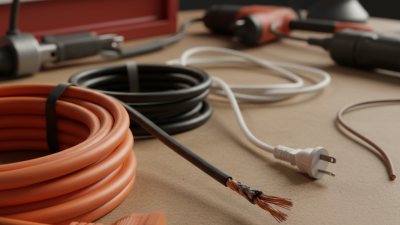
Inspect the cable before every use. Look for cracked insulation, bent prongs, loose connections, or dark marks near the plug. Do not use damaged equipment. I once noticed a warm plug during a workshop, even though the tool seemed normal. That small warning mattered. Unplug it.
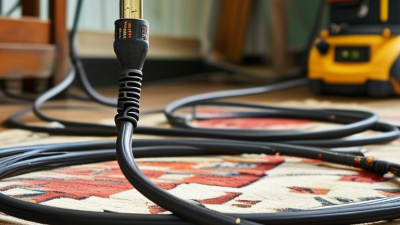
Keep connections dry and away from sinks, rain, and wet floors. Never run the cable beneath rugs, doors, or heavy furniture. These places can trap heat and damage the insulation. Fully unwind coiled cables when powering devices with high energy demands. Use outdoor-rated cables outdoors, and protect connectors from standing water. It is easy to forget this detail.
Connect only suitable devices, and avoid chaining multiple extension cables. An extension cable should support temporary use, not replace permanent wiring. Store it loosely in a cool, dry place without sharp bends. Wipe away dust with a dry cloth. If the cable feels hot, smells unusual, or trips protection repeatedly, disconnect it and seek qualified advice. I still recheck cables, sometimes twice. Safety rewards that habit.