What Is a Short Power Cord and How Is It Used?

A short power cord is more than a cable with reduced length. It connects an appliance to a nearby outlet while limiting loose loops, floor clutter, and accidental snagging. That distinction matters. A properly selected cord can make a countertop appliance, monitor, lamp, or laboratory instrument easier to position and inspect.

Electrical safety remains a practical concern. The Electrical Safety Foundation International, using National Fire Protection Association data, reports about 51,000 home electrical fires annually in the United States. These incidents cause hundreds of deaths and more than one billion dollars in property damage. A short power cord cannot eliminate those risks. It may, however, reduce unnecessary cable exposure when its voltage, current, temperature, and connector ratings match the equipment.

UL Solutions consumer-safety expert John Drengenberg has emphasized, “If a cord is damaged, replace it.” That simple advice deserves attention. Cracked insulation, bent prongs, warm plugs, or loose connections should never be ignored. The U.S. Consumer Product Safety Commission also advises consumers to inspect cords and avoid overloading outlets.

Standards matter.

IEC 60227, IEC 60245, UL 817, and applicable national requirements help define cord construction and performance. Yet standards alone do not guarantee safe use. Users still need to check polarity, grounding, flexibility, and clearance from heat sources. A short power cord may appear convenient, but convenience can encourage careless placement. The better question is not whether the cord is short. It is whether the complete electrical setup is suitable, visible, and regularly inspected.

What Is a Short Power Cord and How Is It Used?

Definition and Key Features of a Short Power Cord

What Is a Short Power Cord and How Is It Used?

Definition and Key Features of a Short Power Cord

A short power cord is an electrical cable designed to connect equipment to a nearby outlet or power source. Unlike a standard-length cord, it limits excess cable around desks, workbenches, and display areas. Typical lengths range from a few inches to several feet. Its main value is control.

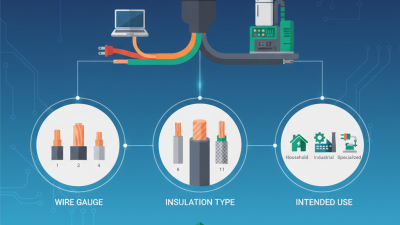
Key features include conductor size, insulation quality, connector type, and strain relief. The conductor must support the equipment’s required current without excessive heating. Thick insulation helps protect the cable from abrasion, bending, and minor contact with moisture. A grounded plug may provide an additional safety path for suitable equipment. The cord should also show a clear voltage and current rating. These details matter more than appearance.

In practical use, short cords connect monitors, lamps, chargers, small appliances, and power distribution units. They can reduce tangled loops behind furniture and keep walkways clearer. A tight bend near the plug is a warning sign. Repeated bending may damage internal wires, even when the outer jacket looks normal. I have found that users often choose cords by length alone, which is an incomplete decision. The connector must match, and the electrical rating must meet or exceed the equipment requirement. A cord that barely reaches the outlet may also create unnecessary tension. Leave a little slack.

What Is a Short Power Cord and How Is It Used?

Common short power cord lengths and their typical applications

A short power cord is designed to connect nearby electrical devices while reducing excess cable, clutter, and trip hazards. Cords around 0.3–0.6 meters are useful for compact desktop equipment, while 1.0–2.0 meter cords provide more flexibility for appliances and workstations. The correct cord must also match the device’s voltage, current rating, connector type, and safety requirements.

Common Types and Materials of Short Power Cords

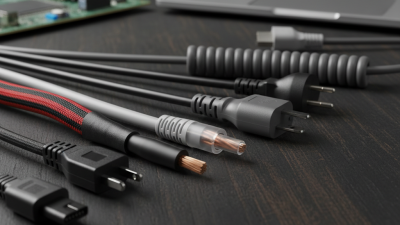
Short power cords are compact cables used between an appliance and a nearby outlet, power strip, or adapter. Their short length reduces loose cable loops behind desks and cabinets. Common types include detachable appliance cords, two-conductor figure-eight cords, three-conductor grounded cords, and low-voltage DC leads. Each type fits a different electrical design. A grounded cord includes a protective earth conductor, while a two-conductor cord does not.

Copper remains the standard conductor because it combines high conductivity with flexibility. PVC is widely used for insulation because it is economical, durable, and resistant to everyday abrasion. Rubber insulation performs better where repeated bending, vibration, or outdoor exposure is expected. TPE and silicone offer flexibility across broader temperature ranges, but they usually cost more. IEC 60227 specifies PVC-insulated flexible cables in voltage classes up to 450/750 V, while IEC 60245 covers rubber-insulated cables in the same upper class. These ratings are not permission to ignore the appliance label.

A practical check matters. Measure the required distance, inspect the plug shape, and verify conductor size. A cord that feels thick is not automatically safer. The U.S. National Electrical Code commonly uses 15-amp branch-circuit assumptions for household outlets, but actual cord ratings vary by construction and temperature. I would not choose by length alone. Heat, bending, and connector fit can change performance. Industry test data often emphasizes rated current, insulation durability, and flex cycles, yet real installation habits remain imperfect. That gap deserves attention.

What Is a Short Power Cord and How Is It Used? - Common Types and Materials of Short Power Cords
Short Power Cord Type Typical Length Connector or Plug Configuration Common Conductor Material Typical Jacket Material Common Applications Main Advantages Important Selection Considerations
Two-Conductor Non-Grounded Cord 0.3–1.5 m Two-wire plug and appliance connector; no protective-earth conductor Stranded copper PVC or thermoplastic elastomer Double-insulated lamps, small household devices, compact electronic equipment Lightweight, flexible, and economical Suitable only for equipment designed without a protective-earth connection; check the equipment insulation classification
Polarized Two-Conductor Cord 0.3–1.8 m Polarized plug with one wider blade or a defined line and neutral orientation Stranded copper PVC, rubber, or thermoplastic elastomer Small appliances, audio equipment, task lighting, and consumer electronics Helps maintain correct line and neutral orientation The receptacle and equipment must support the required polarized configuration
Three-Conductor Grounded Cord 0.3–2.0 m Line, neutral, and protective-earth conductors; grounded plug and appliance connector Stranded copper with a green or green-and-yellow earth conductor PVC, chlorinated polyethylene, or rubber Computers, kitchen appliances, power tools, laboratory devices, and metal-enclosed equipment Provides a protective-earth path for fault current Use a properly grounded receptacle and select a current rating compatible with the equipment
Flat Short Extension Cord 0.3–1.5 m Plug on one end and socket or multiple-socket outlet on the other end Stranded copper Flat PVC or thermoplastic elastomer Power strips, desks, entertainment centers, and locations with limited clearance Slides easily beneath furniture and reduces cable bulk Do not place under carpets where heat accumulation, crushing, or hidden damage may occur
Right-Angle Plug Cord 0.3–1.8 m Plug body exits at approximately 90 degrees from the cable Stranded copper PVC, rubber, or thermoplastic elastomer Wall-mounted equipment, furniture placed close to an outlet, monitors, and compact appliances Reduces bend radius and saves space behind equipment Confirm the plug orientation and available clearance before installation
Coiled Short Power Cord 0.5–2.0 m extended Plug and equipment connector or plug-to-socket arrangement Stranded copper with fine wire strands for flexibility Flexible PVC, polyurethane, or rubber Control panels, instruments, portable equipment, and workstations requiring cable movement Stores compactly and helps reduce loose cable length Use the rated extended length and avoid continuous stretching, tight pulling, or excessive heat
Detachable Appliance Cord 0.5–2.0 m Plug on one end and a standardized appliance inlet on the other end Stranded copper PVC or rubber, depending on flexibility and environmental requirements Computers, displays, printers, audio equipment, and detachable power-entry devices Easy replacement, transportation, and equipment servicing Match the inlet shape, conductor count, voltage rating, current rating, and temperature rating
High-Flex Rubber Cord 0.5–2.0 m Grounded or non-grounded plug and equipment connector, depending on application Fine-stranded copper Natural rubber, synthetic rubber, or thermoset elastomer Portable tools, workshops, stage equipment, and applications requiring repeated movement Good flexibility, abrasion resistance, and cold-temperature performance Verify resistance to oil, sunlight, chemicals, and outdoor exposure when relevant
Heat-Resistant Silicone-Insulated Cord 0.3–1.5 m Usually a two- or three-conductor plug-to-equipment configuration Stranded copper, sometimes tin-plated for improved oxidation resistance Silicone rubber Heating equipment, laboratory instruments, lighting fixtures, and areas near elevated temperatures Highly flexible over a broad temperature range Confirm the actual temperature rating and keep the cord away from direct flame or sharp edges
Shielded Low-Noise Power Cord 0.5–1.5 m Plug-to-equipment connector with an added conductive shield or drain arrangement Stranded copper PVC or thermoplastic elastomer with foil or braided shielding Measurement systems, sensitive audio equipment, and industrial control assemblies Can reduce electromagnetic coupling when properly designed and grounded Shielding performance depends on termination, grounding, equipment layout, and the surrounding interference environment
Safety note: Always select a cord with compatible voltage, current, temperature, insulation, grounding, and approval requirements. A short cord does not automatically increase the allowable load; the cord rating must meet or exceed the equipment requirement.

How Short Power Cords Are Used in Different Settings

A short power cord is designed for equipment positioned close to a socket or power distribution unit. There is no universal length limit, but many are under one metre. In offices, they connect monitors, printers, desk lamps, and charging stations. The reduced slack keeps cables away from chair wheels and walking paths. It also makes cleaning easier. Small detail, noticeable difference.

In kitchens, short cords help place appliances close to wall outlets without loose loops near hot surfaces. Retail displays use them behind counters, where excess cable can snag during restocking. Workshops and control cabinets benefit from shorter routes, especially when strain relief and cable separation are carefully planned. However, tidy routing does not guarantee safe operation. Check voltage, current capacity, grounding, insulation, connector type, and temperature rating. A cord can be too short for safe bending.

The U.S. Consumer Product Safety Commission estimates that extension cords cause about 3,300 residential fires, 50 deaths, and 270 injuries each year. That figure concerns extension cords, but it highlights the danger of treating cable selection casually. NFPA electrical safety guidance also emphasizes avoiding damaged wiring, overloaded outlets, and poor connections. A short cord may reduce trip hazards, yet it must not replace proper electrical distribution. I would not choose one by appearance alone. Length is only part of the decision.

Safety Considerations When Using Short Power Cords

What Is a Short Power Cord and How Is It Used?

Safety Considerations When Using Short Power Cords

A short power cord connects an appliance to a nearby outlet with less excess cable. It is useful for lamps, monitors, chargers, and countertop equipment. Its limited length can reduce tangles and prevent people from catching their feet on loose cable. However, a shorter cord is not automatically safer. The cord must match the appliance’s voltage, current, and grounding requirements.

Inspect the cord before every regular use. Look for cracked insulation, flattened sections, bent prongs, or dark marks near the plug. Do not use damaged wiring, even if the appliance still works. I have learned that small defects are easy to ignore under a desk. That habit deserves reconsideration. A quick glance is not enough.

Keep the cord away from sinks, hot surfaces, heaters, and sharp furniture edges. Never pull the cord to disconnect it. Grip the plug firmly instead. Avoid running it under rugs or through tightly closed doors, where heat and pressure may build. Do not connect several extension cords together to compensate for limited reach. If the cord feels hot, smells unusual, or repeatedly trips a protective device, disconnect it and arrange a qualified inspection. Use only cords with clear ratings and approved construction for the intended environment. Keep plugs fully inserted, and leave enough space around electrical connections for ventilation. Shorter can help, but careless placement still creates risk.

How to Choose the Right Short Power Cord

A short power cord connects an appliance to a nearby outlet without leaving loose cable on the floor. Choosing the right one requires more than checking its length. Measure the actual gap, then add only a small amount for movement. A 0.5-meter cord may suit a desk lamp, while a 1.5-meter cord works better behind a monitor. Excess cable can bend sharply, trap heat, or create a trip hazard.

Tips: Measure twice. Check the appliance label for voltage, current, and plug type. Select a cord rated above the appliance’s maximum load, not merely its normal operating load. Match the connector shape and grounding design. For kitchen, workshop, or outdoor use, choose insulation designed for moisture, abrasion, and temperature changes. Avoid cords with cracked jackets, loose plugs, or darkened pins.

The U.S. Consumer Product Safety Commission reports that extension cords are associated with about 3,300 residential fires each year. This figure concerns extension cords broadly, but it shows why cord selection deserves attention. The 2023 National Electrical Code also emphasizes suitable ampacity, grounding, and protection from physical damage. Look for tested products carrying recognized safety certification in your market. I still check the cord after installation; labels can be unclear, and “short” does not automatically mean safer. A tighter fit may still fail if the conductor size is inadequate. Never coil a powered cord tightly behind a hot appliance.