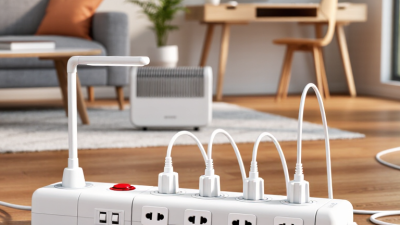
What Are the Top 10 Power Extension Cables?

Choosing the right power extension cable requires more than comparing prices, lengths, or plug shapes. A cable may look heavy-duty while hiding undersized conductors, weak strain relief, or poor heat resistance. The U.S. Consumer Product Safety Commission estimates that extension cords are linked to about 3,300 residential fires each year. These incidents reportedly cause around 50 deaths and 270 injuries annually. Safety must guide the ranking.

This guide examines ten leading cable types for homes, workshops, offices, outdoor projects, and demanding equipment. Each option is assessed through practical criteria, including wire gauge, current capacity, insulation quality, grounding, connector design, flexibility, and certification. Guidance from the Occupational Safety and Health Administration, the National Fire Protection Association, and the Electrical Safety Foundation International supports this approach. Recognized markings, such as UL or ETL certification in applicable markets, also deserve attention. They do not replace correct installation or responsible use.

A top-rated cable is not automatically the best choice for every room or tool. A short, thick-gauge cable may perform better than a longer bargain model when powering a space heater or workshop saw. Outdoor users also need weather-resistant jackets and tightly sealed connections. Small details matter. This article compares real-world strengths and weaknesses, rather than promising one universal winner. No ranking is perfect, and product availability changes by region. Readers should verify local electrical requirements, inspect cables before use, and match the cable’s rating to the connected load. The goal is simple: clearer decisions, fewer surprises, and safer everyday power distribution.
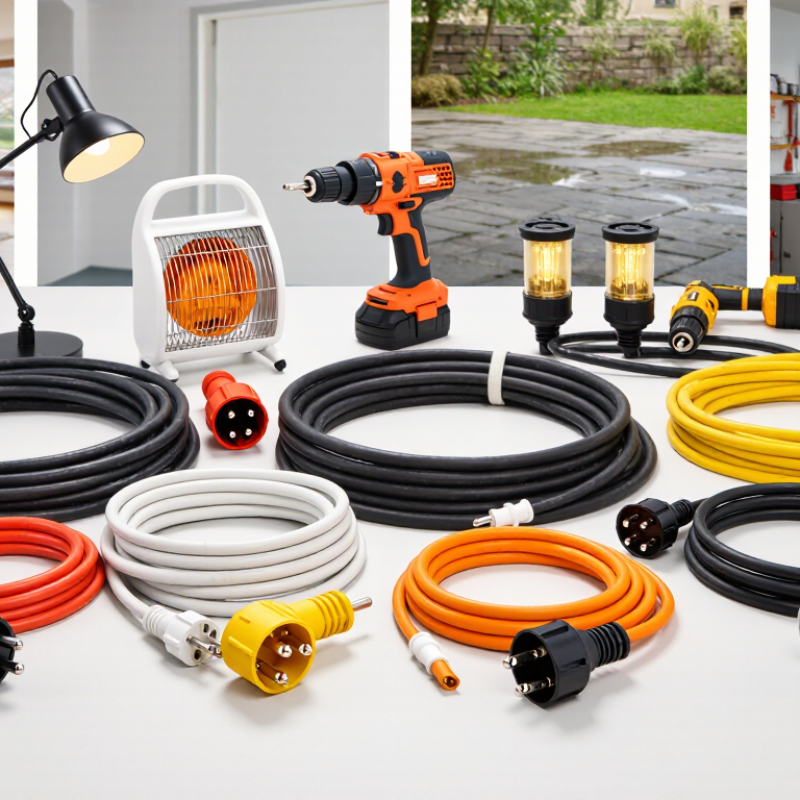
What Are the Top 10 Power Extension Cables?

What Are Power Extension Cables and How Do They Work?

Power extension cables are portable assemblies with insulated conductors, a plug, and one or more sockets. They extend an electrical circuit from a wall outlet to equipment nearby. When connected, current travels through the cable’s conductors, powers the device, and returns through the circuit. The cable does not create extra electricity. It only increases reach.

Cable performance depends on conductor size, length, insulation, grounding, and rated current. Thicker conductors usually handle higher loads with less resistance. Longer cables can produce greater voltage drop and heat.

A short, grounded cable suits a computer or lamp, while a heavy-duty cable may support workshop equipment. Check the printed ampere rating.

Do not connect extension cables in series. That shortcut seems convenient, but it can increase resistance and overheating.

Real-world misuse remains significant. The U.S. Consumer Product Safety Commission reports about 3,300 residential extension-cord fires annually, causing roughly 50 deaths and 270 injuries. The Electrical Safety Foundation International also identifies damaged cords, overloaded outlets, and hidden cables as recurring hazards.

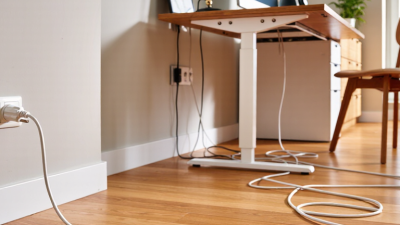
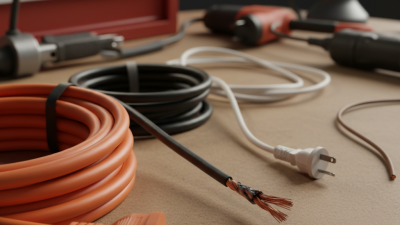
Inspect for cuts, crushed insulation, loose plugs, or warm sockets before use. Replace damaged cables. Keep them visible and away from wet floors, rugs, doors, and heat sources.

A cable can look ordinary while carrying a dangerous load. Ratings are easy to overlook. That is the part worth reconsidering.

Which Features Matter When Comparing Power Extension Cables?

When comparing the top ten power extension cables, the plug is only the starting point. Gauge matters more. Thicker conductors usually handle higher loads with less heat, especially across longer distances. Check the cable’s ampere rating, length, grounding, and plug configuration before comparing prices. A grounded three-prong cable is generally more suitable for equipment with exposed metal housing. For outdoor work, seek a jacket rated for sunlight, moisture, and abrasion.

Safety evidence makes these details practical, not decorative. The National Fire Protection Association reported that electrical distribution and lighting equipment was involved in about 32,000 U.S. home fires annually from 2016 to 2020. Those fires caused roughly 470 civilian deaths and $1.3 billion in direct property damage. Look for products tested to recognized cord-set standards, such as UL 817, and inspect the jacket for cuts, crushed sections, or loose plugs. Built-in overload protection helps, but it cannot correct an undersized cable.

Length also deserves careful attention. A long cable can increase voltage drop and heat under heavy loads. Avoid connecting multiple extension cables when possible. That habit feels convenient. It is not always wise. In my experience, flexible jackets and visible rating labels make daily inspection easier, although labels can fade over time. I would also compare strain relief, connector grip, storage design, and the manufacturer’s stated duty rating. No single feature decides quality; the safest choice matches the cable to the tool, environment, and actual electrical load.

What Are the Top 10 Power Extension Cables? - Which Features Matter When Comparing Power Extension Cables?

Rank Extension Cable Type Typical Length Conductor Size Typical Rating* Jacket Type Grounded Outdoor Use Best Use Important Features to Compare
1 Heavy-Duty Outdoor Extension Cord 25–100 ft 12 AWG 125 V / 20 A SJTW or SJEOW Yes Yes High-demand tools, compressors, and outdoor equipment Thick insulation, weather resistance, low voltage drop, molded strain relief, and a clear amp rating
2 General-Purpose Indoor Extension Cord 6–25 ft 16 AWG 125 V / 13 A SJT or SPT Usually No Lamps, chargers, televisions, and household electronics Correct wire gauge, polarized plug, flexible insulation, and adequate receptacle spacing
3 Extra-Heavy-Duty 14 AWG Cord 25–100 ft 14 AWG 125 V / 15 A SJTW Yes Yes Power tools, shop equipment, and longer outdoor runs 15-amp compatibility, durable jacket, high-visibility color, and resistance to abrasion and moisture
4 Low-Profile Flat Extension Cord 3–15 ft 16 AWG 125 V / 13 A SJT or SPT Model-dependent Usually no Behind furniture and in tight indoor spaces Slim plug profile, bend radius, heat rating, and protection against crushing or pinching
5 Locking Outdoor Extension Cord 25–100 ft 12 or 14 AWG 125 V / 15–20 A SJTW Yes Yes Construction areas and locations subject to vibration or movement Connector-locking mechanism, strain relief, water-resistant jacket, and compatible plug geometry
6 Retractable Reel Extension Cord 25–50 ft 14 or 16 AWG 125 V / 13–15 A SJT or SJTW Usually Model-dependent Garages, workshops, and organized cable storage Thermal overload protection, reel brake, fully extended load rating, and secure mounting
7 Lighted-End Extension Cord 25–100 ft 12, 14, or 16 AWG 125 V / 13–20 A SJTW Yes Often Outdoor work where power status must be visible Power-on indicator, impact-resistant ends, visibility, and weather-resistant construction
8 Cold-Weather Extension Cord 25–100 ft 12 or 14 AWG 125 V / 15–20 A Cold-rated SJTW or SJEOW Yes Yes Winter maintenance, outdoor events, and low-temperature work Flexible low-temperature jacket, abrasion resistance, moisture resistance, and cold-weather labeling
9 USB Charging Extension Cord 3–15 ft 16 AWG power cable 125 V / up to 13 A Indoor SJT or SPT Model-dependent No Desks, bedside tables, and simultaneous device charging USB-C output, power-delivery wattage, over-current protection, spacing, and total load limit
10 Surge-Protected Extension Cord 6–15 ft 14 or 16 AWG 125 V / 13–15 A Indoor SJT Usually No Computers, televisions, networking equipment, and home-office devices Surge energy rating in joules, response circuitry, indicator lights, reset protection, and grounding
*Rating note: Ratings shown are typical North American values for representative cable constructions. Always follow the exact rating printed on the cable, plug, receptacle, and connected equipment. Longer cables and higher loads may require a larger conductor size to limit voltage drop. Do not connect extension cords end-to-end or use an indoor-only cord outdoors.

What Are the Top 10 Power Extension Cable Types?

What Are the Top 10 Power Extension Cable Types?

Power extension cables differ by insulation, conductor size, outlet design, and working environment. The ten most useful types are indoor light-duty, outdoor weather-resistant, heavy-duty, contractor-grade, flat, retractable reel, multi-outlet, surge-protected, twist-lock, and appliance-rated cables. Each solves a different problem. A thin indoor cable may suit a desk lamp, but it is unsuitable for a heater or workshop tool.

Heavy-duty and contractor-grade cables usually use thicker conductors, such as 12 or 10 AWG, to reduce voltage drop over longer distances. Outdoor cables need sunlight-resistant and moisture-resistant jackets. Flat cables slide beneath carpets more easily, although trapped heat can create a risk. Retractable reels improve storage, but a tightly wound cable may overheat under high loads.

Surge-protected types help sensitive electronics, yet they cannot replace a properly grounded electrical system.

The U.S. Consumer Product Safety Commission reports about 3,300 residential fires annually involving extension cords, with roughly 50 deaths and 270 injuries. That figure makes cable selection more than a convenience issue. The National Electrical Code also emphasizes proper ratings, grounding, and protection from physical damage.

Check the wattage, plug design, cable length, and certification marks before buying. I have found that users often choose by outlet count alone. That is a weak measure. A longer cable can be useful, but excessive length and undersized conductors may increase heat and voltage loss. Safety advice also changes with installation conditions, so product labels deserve another careful reading.

How Should Each Power Extension Cable Be Used Safely?

Safe selection matters more than appearance when comparing the top ten power extension cable types. The U.S. Consumer Product Safety Commission estimates that extension cords cause about 3,300 residential fires yearly, with roughly 50 deaths and 270 injuries. NFPA’s Home Fires Involving Electrical Failure or Malfunction report recorded about 34,000 related home fires annually from 2015 to 2019. I check the plug, insulation, rating label, and cable length before connecting anything.

Indoor light-duty cables suit lamps and small electronics only. Indoor medium-duty cables handle modest household appliances, but not heating equipment. Heavy-duty cables serve workshops and power tools; match their ampere rating carefully. Outdoor cables need weather-resistant insulation and ground-fault protection. Wet grass changes the risk quickly. Flat cables fit tight spaces, but never place them under rugs or furniture. That mistake is easy to make.

Retractable cables should be fully unwound before carrying heavy loads, because tight coils can retain heat. Surge-protected cables help sensitive electronics, but they do not increase circuit capacity. Multi-outlet cables require a combined-load check, not a casual plug count. Locking cables suit equipment that may pull or vibrate, while generator-rated cables need correct connectors and professional transfer equipment. Never connect a generator directly to building wiring. I still sometimes choose a longer cable for convenience, though shorter is usually safer. Inspect for cuts, warm plugs, loose sockets, or discoloration, and replace damaged cords rather than repairing them casually.

How Can You Choose the Right Cable for Your Needs?

What Are the Top 10 Power Extension Cables?

Choosing among the top 10 power extension cables should begin with the equipment, not appearance. Check the appliance wattage, cable amperage, plug type, and required length. A shorter cable usually reduces voltage drop and avoids tangles. Measure first.

For small lamps or chargers, a lighter cable may be suitable. High-load tools need thicker conductors, such as 14 AWG or 12 AWG, when the label permits. Always match the cable’s rating to the appliance. Never exceed its marked amperage. Look for grounding, molded strain relief, heat-resistant insulation, and recognized safety certification. Outdoor work requires weather-resistant construction and a ground-fault protection device. Wet grass changes the risk completely.

Safety data makes this choice more serious. NFPA’s Home Fires Involving Electrical Distribution and Lighting Equipment report for 2016–2020 recorded about 32,000 home structure fires annually in the United States. These fires caused roughly 470 deaths, 1,100 injuries, and 1.3 billion dollars in property damage. Cables deserve attention.

A practical comparison should also examine reel design, thermal cutoffs, flexibility, and plug spacing. Coiled cables can heat up when carrying heavy loads. I would not trust a cable only because it feels thick. Labels, testing records, and visible condition matter more. Replace cables with crushed insulation, loose plugs, exposed wires, or warm connectors. Even a highly rated cable becomes unsuitable when damaged or used under a rug. Source: National Fire Protection Association, Home Fires Involving Electrical Distribution and Lighting Equipment, 2016–2020.

What Are the Top 10 Power Extension Cables?

The chart ranks common extension-cable configurations by typical practical continuous-current guidance. Larger conductor cross-sections generally support higher loads, while longer cables may require load reduction to limit voltage drop and heat.

Choose the cable length that meets your reach without unnecessary excess, match the conductor size to the appliance load, and check the plug, socket, insulation, outdoor rating, and local electrical regulations. The current values shown are typical guidance figures; always follow the cable manufacturer's certified rating.