Top 10 GFCI Cord Suppliers for Global Buyers
Choosing a GFCI cord supplier involves more than comparing prices or browsing polished product photos. Buyers need a clear view of design, testing, production capacity, and support. A dependable supplier should explain how its cords are built and provide documentation for the intended market and application. Details matter.
When reviewing the top 10 GFCI cord suppliers for global buyers, compare practical features: plug options, wire gauge, cord length, jacket material, strain relief, and available protection ratings. Ask for current test reports and product specifications, then confirm that documents match the exact model offered. Requirements can vary by destination and use, so buyers should verify local expectations with qualified experts.
Production consistency deserves equal attention. Ask how the supplier checks wiring, conducts functional tests, and handles defects. Request samples when possible. A sample can reveal stiff jackets, loose connections, or labels that are hard to read. These small details affect installation and everyday handling.
Price still matters, but it rarely tells the whole story. Check minimum order quantities, lead times, packaging, warranty terms, and how quickly questions receive a useful answer. A neat catalog is not proof of a reliable factory. And a long supplier list is not a verdict. It is a starting point for careful comparison, not a substitute for verification. The right choice depends on your product requirements, destination, and purchasing priorities. Some information may look complete at first glance; ask follow-up questions where it does not.
Understanding GFCI Cords and Their Global Applications
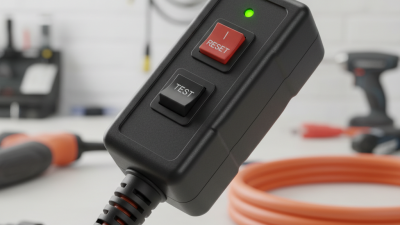
A GFCI cord monitors current flowing through the line and neutral conductors. When leakage reaches its trip threshold, usually around 4 to 6 milliamps in North American devices, power disconnects rapidly. The result is practical: a worker using a wet drill outdoors gets protection before a small fault becomes a severe shock. The Electrical Safety Foundation International cites an estimated 82% reduction in electrocution risk when GFCI protection is properly used.
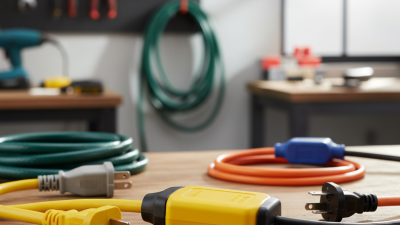
Global applications vary by environment and electrical practice. Construction sites, agricultural facilities, maintenance workshops, temporary events, and outdoor laboratories commonly use portable GFCI cords. In many regions, residual-current devices use different ratings, such as 30 milliamps for personal protection. Therefore, buyers should not treat every cord as universally compatible. Check voltage, frequency, plug configuration, enclosure rating, trip current, and reset behavior against local requirements. NFPA 70 provides widely referenced installation guidance, while IEC-based markets may follow different testing methods.
Field experience shows that moisture, damaged jackets, and long extension runs cause frequent nuisance trips. That is not always a product defect. Sometimes the connected equipment leaks current. A dependable supplier should provide test records, traceable production data, clear markings, and instructions for inspection. IP ratings also deserve attention; an outdoor label alone proves little. I would still request independent certification evidence, because catalog claims can be incomplete. The cord must fit the job, not merely the purchasing checklist.
Top 10 GFCI Cord Suppliers for Global Buyers — Understanding GFCI Cords and Their Global Applications
Representative nominal household supply voltage in selected markets
GFCI cord buyers should match a cord’s voltage rating, plug type, and frequency to the intended market. Values shown are representative nominal mains voltages; local configurations and supply tolerances may vary.
Key Criteria for Evaluating GFCI Cord Suppliers
Top 10 GFCI Cord Suppliers for Global Buyers
Key Criteria for Evaluating GFCI Cord Suppliers
Selecting a GFCI cord supplier requires more than comparing prices. Start with verified technical documents, including trip-current data, response time, grounding performance, and insulation ratings. A reliable supplier should provide traceable test reports from an independent laboratory. Generic certificates are not enough.
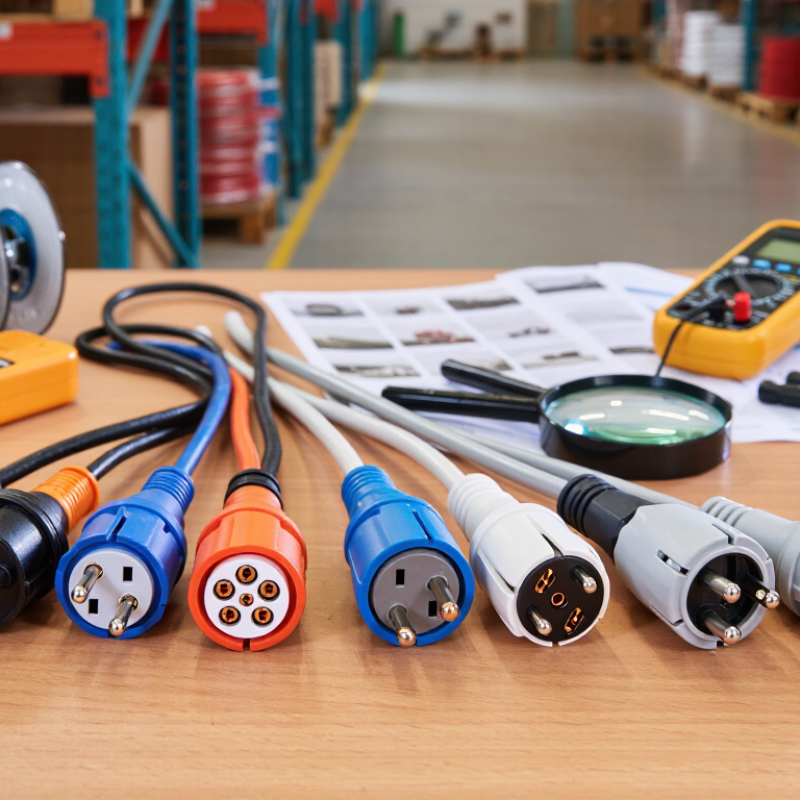
Inspect the cord itself. Check conductor gauge, jacket flexibility, plug molding, strain relief, and reset-button durability. In practical testing, bend the cable repeatedly and inspect the housing for cracks or loosened parts. Confirm that the GFCI cord matches the voltage, frequency, plug configuration, and environmental conditions of the destination market. Small mismatches can create expensive failures.
Ask for production evidence. Factory audit records, process-control photos, batch labels, and sample inspection reports reveal more than a polished website. Experienced suppliers explain their testing equipment and acceptance limits clearly. They should also offer stable lead times, transparent minimum order quantities, spare-unit policies, and responsive technical support.
Test samples independently.
Do not rely only on supplier samples. Recheck leakage protection after cold storage, moisture exposure, and repeated plugging. These conditions may not represent every job site, but they expose weak components. I have found that some suppliers communicate well before an order, then respond slowly after delivery. That risk deserves attention. A strong evaluation includes reference checks, pilot orders, and written corrective-action procedures when defects appear.
Top 10 GFCI Cord Suppliers for Global Buyers
Top 10 GFCI Cord Suppliers for Global Buyers
Choosing among the top 10 GFCI cord suppliers requires more than comparing prices. Global buyers should examine manufacturing experience, inspection records, and response speed. A reliable supplier explains trip ratings, conductor sizes, plug types, and weather resistance clearly. Product samples should arrive with readable labels, secure strain relief, and a test button that works repeatedly. Small details matter in warehouses, hotels, workshops, and outdoor job sites.
The strongest suppliers usually provide consistent batch control and traceable production records. Ask for test reports, factory quality procedures, and documentation suitable for the destination market. Requirements can differ by country, so buyers should verify applicable electrical standards independently. Communication also deserves attention. Can the supplier answer technical questions without vague promises? Can it report a failed inspection honestly? These moments reveal practical reliability. Ten suppliers may appear equally qualified online, but lead times, packaging quality, and after-sales support often separate them. A carton with crushed corners is not a minor issue when cords are needed for a scheduled installation. Price remains important, yet the lowest quotation can hide weaker copper, limited testing, or costly replacement delays. Even experienced purchasing teams can overlook regional plug compatibility. That mistake is worth reviewing before any large order.
Comparing Supplier Products, Certifications, and Markets
For global buyers, GFCI cord suppliers should be compared by product design, certification evidence, and proven sales markets—not price alone. Check whether cords are intended for indoor, outdoor, or temporary jobsite use. A molded plug, visible test and reset buttons, and a clearly stated amperage rating are useful details to verify. So is the cable’s temperature and moisture rating. Small differences matter.
Certification claims deserve close review. Ask suppliers for current test reports and documentation that identifies the exact cord model, plug, and protective device. Requirements differ by destination, so a certificate accepted in one market may not satisfy another. The U.S. Consumer Product Safety Commission has reported that GFCIs can reduce the risk of electrocution by about 70% in certain settings. That figure highlights the protection’s value, but it does not prove every cord performs equally. Ask how products are tested, and whether production units match the tested design.
Market experience can reveal practical strengths. Suppliers serving construction, landscaping, and industrial buyers may offer heavier cable jackets and strain relief suited to repeated handling. Retail-focused suppliers may provide shorter lengths and clearer consumer packaging. Compare warranty terms, lead times, and spare-part support alongside specifications. One awkward gap remains: published product data rarely shows failure rates under real jobsite conditions. Buyers should request field references where possible, while treating them as supporting evidence, not a substitute for independent testing.
Choosing a Supplier for Your Sourcing Requirements
Choosing a GFCI cord supplier starts with the conditions at the job site. A wet workshop, outdoor work area, and temporary construction setup place different demands on cord length, jacket durability, and enclosure protection. Give suppliers the intended voltage, current, plug configuration, operating environment, and target markets. Ask for test reports, component traceability, and clear procedures for handling failed samples. A polished audit file is not proof of a stable production line.
Quality checks to prioritize
Grounding continuity, GFCI operation, strain relief, and performance after repeated flexing.
NFPA’s Home Electrical Fires report estimated an annual average of 31,647 U.S. home fires involving electrical failure or malfunction during 2015–2019. This figure is not specific to GFCI cords, but it underscores why documented inspection and reliable protection matter. Request sample units from a normal production run, not only specially prepared samples. Test them under realistic conditions. Small details count.
Delivery capability matters, too. The World Bank’s 2023 Logistics Performance Index assessed 139 economies across six areas, including customs, shipment tracking, and timeliness. Use such country-level data as context, not as a score for an individual supplier. Ask for lead-time ranges, packaging details, and a plan for delayed shipments. Then verify them with a pilot order.
A detail worth checking
One weak spot is easy to miss: a supplier may meet specifications while offering little visibility into changes between batches. Ask how revisions are recorded and communicated.