10 Tips for Choosing the Right Indoor Extension Cord?
Choosing an extension cord indoor model should begin with safety, not color or price. A thin cord behind a sofa may look harmless, yet it can heat up when powering a space heater, lamp, or computer. The U.S. Consumer Product Safety Commission estimates that extension cords are linked to about 3,300 residential fires each year, causing roughly 50 deaths and 270 injuries. These figures make cord selection a practical safety decision.
NFPA fire analyst Marty Ahrens has emphasized that “extension cords are for temporary use, not permanent wiring.” That principle shapes the ten tips in this guide. They examine wire gauge, amperage, length, grounding, insulation, plug design, certification marks, and visible damage. They also consider everyday details, such as cords pressed beneath rugs or stretched across a doorway. UL Solutions explains that recognized certification helps verify whether electrical products meet established safety requirements, but a label cannot correct careless use. The right extension cord indoor choice should match the appliance load and the room’s conditions. Small details matter.
A checklist is useful. It is not perfect. Users still need to inspect cords before each use and unplug them after temporary tasks. A warmer-than-normal plug deserves attention. So does a loose connection. This guide aims to make those decisions clearer, using safety guidance from CPSC, NFPA, and recognized product-testing organizations rather than guesswork.
Understanding Indoor Extension Cord Ratings and Intended Use
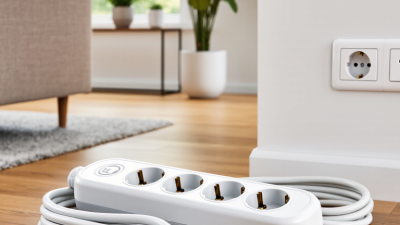
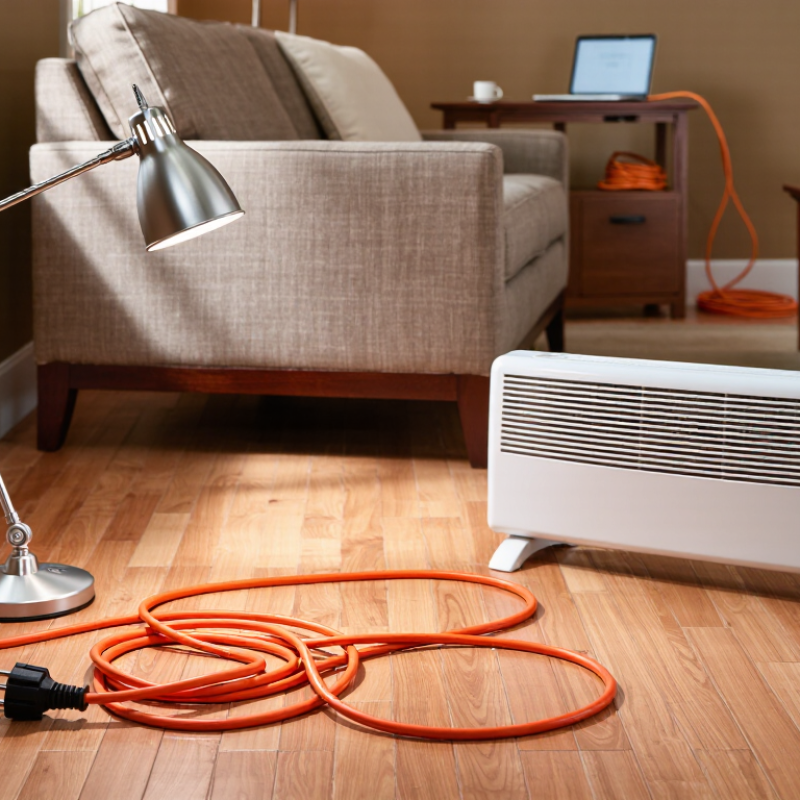
Choosing the right indoor extension cord starts with its rating, not its color or packaging. Read the label. Check the voltage, amperage, wire gauge, length, and indoor-use marking. Match the cord’s rating with the appliance’s nameplate. A 16-gauge cord may suit a lamp or small fan, while a heater can require more capacity. Longer cords increase voltage drop and heat. Select a polarized or grounded plug when the appliance requires one. Never remove the grounding pin. Keep the connection visible. Avoid cords under rugs, across doorways, or near sinks. Do not connect multiple extension cords.
Intended use matters just as much. Indoor cords belong in dry, protected spaces. They should not replace fixed wiring or pass through walls. Inspect the jacket for cuts, crushing, discoloration, or warm plugs. Replace damaged cords immediately. The NFPA report Home Structure Fires Involving Electrical Distribution and Lighting Equipment, 2016–2020, recorded approximately 32,000 related fires annually, with about 470 civilian deaths each year. This category includes more than extension cords, but the warning remains relevant. CPSC safety guidance also cautions against using extension cords with high-wattage heating appliances. Many users choose by length alone. I have done that myself. It is convenient, but incomplete. A cord may feel cool while still being underrated. Choose a listed cord meeting applicable safety standards, such as UL 817, and verify its markings carefully. Labels matter.
10 Tips for Choosing the Right Indoor Extension Cord
Understanding indoor extension cord ratings and intended use helps reduce voltage drop, overheating, and misuse. The chart shows the approximate voltage drop across a 50-foot cord at a 10-amp load, calculated using a 100-foot total conductor path.
Approximate values for copper conductors at typical reference resistance. Actual voltage drop depends on cord length, temperature, plug connections, load type, and the cord's certified rating.
Quick Selection Tips
- Check the cord's voltage, amperage, and wattage ratings before use.
- Choose a cord rated for the appliance's continuous operating load.
- Use a heavier-gauge cord for higher-current appliances.
- Use shorter cords when possible to reduce voltage drop.
- Do not connect multiple extension cords together.
- Fully unwind the cord before operating equipment that draws substantial power.
- Inspect the insulation, plug, and connectors for damage before use.
- Keep indoor cords dry and away from heat sources, doors, and walkways.
- Never use an indoor-only cord outdoors or in damp locations.
- Replace cords with exposed conductors, loose plugs, melted areas, or burn marks.
Matching Cord Length, Wire Gauge, and Electrical Load
Choosing an indoor extension cord requires more than checking its color or price. The right cord matches its length, wire gauge, and electrical load. I have found that a short cord often performs better than a long one because it reduces voltage drop. Measure the distance first. Leave slight slack, but avoid loose coils behind furniture.
Tip 1: Choose the shortest practical length.
Tip 2: Check the wire gauge.
Tip 3: Read the cord’s amp or watt rating carefully.
Tip 4: Add the wattage of every connected device.
Tip 5: Keep the total below the cord’s rated capacity.
Lower gauge numbers usually support higher current. Do not guess.
For small lamps or chargers, a lighter indoor cord may be suitable. Heavier appliances need thicker conductors and stronger plugs.
Tip 6: Match the cord to the appliance’s starting load, not only its running load.
Tip 7: Never hide a cord under rugs or carpets.
Tip 8: Inspect the jacket for cuts, crushed areas, or loose ends.
Motors can briefly draw more power. Heat needs to escape. I once trusted a cord that looked acceptable, but its plug felt unusually warm. That was a warning I should have noticed earlier.
Tip 9: Use grounded connections for appliances requiring grounding.
Tip 10: Replace cords showing heat damage, buzzing, or discoloration.
Keep connections dry and fully inserted. When the load seems uncertain, check the appliance manual or ask a qualified electrician. A convenient cord is not automatically a safe one.
Choosing Durable Materials and Practical Design Options
An indoor extension cord should survive daily friction, bending, and occasional careless storage. I look for flexible, heat-resistant insulation, usually durable PVC or rubber-like compounds. The jacket should feel smooth, not brittle, around a desk leg or behind a cabinet. A cord that kinks sharply may expose internal conductors over time. That choice is easy to underestimate.
The U.S. Consumer Product Safety Commission reports about 3,300 residential fires involving extension cords each year, with roughly 50 deaths and 270 injuries. These figures make construction quality more than a comfort issue. Choose a cord with clearly marked voltage, wattage, wire gauge, and safety certification from a recognized testing organization. A thicker gauge generally supports higher loads, but the appliance rating still controls the decision. Never hide a warm cord under a rug.
Practical design matters in small rooms. A low-profile plug can sit behind furniture without forcing the cord sideways. A grounded three-prong connection suits many modern appliances, while spaced outlets help with bulky adapters. Look for strain relief where the cable meets the plug; that small molded section reduces repeated bending. A power indicator can help, though unnecessary lights may become distracting in bedrooms. I prefer a suitable length rather than excessive slack. Extra cable gathers dust and creates a tripping loop. The National Fire Protection Association identifies electrical distribution and lighting equipment as major contributors to home fires, so inspecting cuts, loose plugs, and unusual warmth should become a routine habit. Even careful buyers sometimes choose convenience over fit.
Inspecting, Using, and Storing the Cord Safely
Before choosing an indoor extension cord, inspect it under bright light.
Check the insulation for cuts, flattened areas, melted spots, or exposed wires. Examine both plugs carefully. Bent prongs, loose housings, or dark marks indicate damage. Do not rely on tape as a permanent repair. I once kept a cord with a small split because “still worked.” That was poor judgment.
Match the cord’s rating with the appliance’s power demand.
A qualified electrician or the manufacturer’s instructions can clarify uncertain loads. Never connect multiple extension cords together. Avoid running a cord beneath rugs, through doorways, or across damp floors. These locations can trap heat or damage the insulation. Keep connections visible. Stop using the cord if it becomes unusually warm, smells burnt, or feels soft.
Unplug by holding the plug, not pulling the cable.
Let the cord cool before storing it. Coil it loosely in large loops, without tight bends or knots. Store it indoors, away from heaters, sharp tools, moisture, and direct sunlight. A simple label can identify its length and rating later. I sometimes rushed storage and created hard kinks. Those marks are easy to overlook, so a slower routine is safer. Replace questionable cords instead of testing them repeatedly.