What Is the Difference Between Wire and Cable?
Choosing between wire and cable starts with a simple question: how many conductors must the installation carry, and how much protection does it need? A wire is generally one electrical conductor, either solid or made from fine strands. It may have insulation, or it may be bare for a specific application. A cable usually groups two or more insulated conductors inside a shared outer sheath. That sheath can help guard against abrasion, moisture, or contact, depending on its materials and rating. The distinction is useful, but not absolute.
Look closely at a cut end. You might see several colored insulated conductors gathered beneath one jacket; that is a common cable construction. A single insulated conductor on a reel is often called wire. Simple, but not always. Some products called “single-conductor cable” contain just one conductor, while everyday usage can blur the terms. Searches for “cable wire cable” often point to this confusion, not to a separate technical category.
For a reliable choice, check the product markings and manufacturer’s datasheet rather than relying on the name alone. Confirm conductor material, size, insulation, voltage rating, temperature range, and intended environment. A cable for a dry indoor circuit may not suit a damp location or repeated movement. Small differences matter. This guide explains how wire and cable are built, how their common uses differ, and what details to verify before selecting either. Even familiar labels deserve a second look.
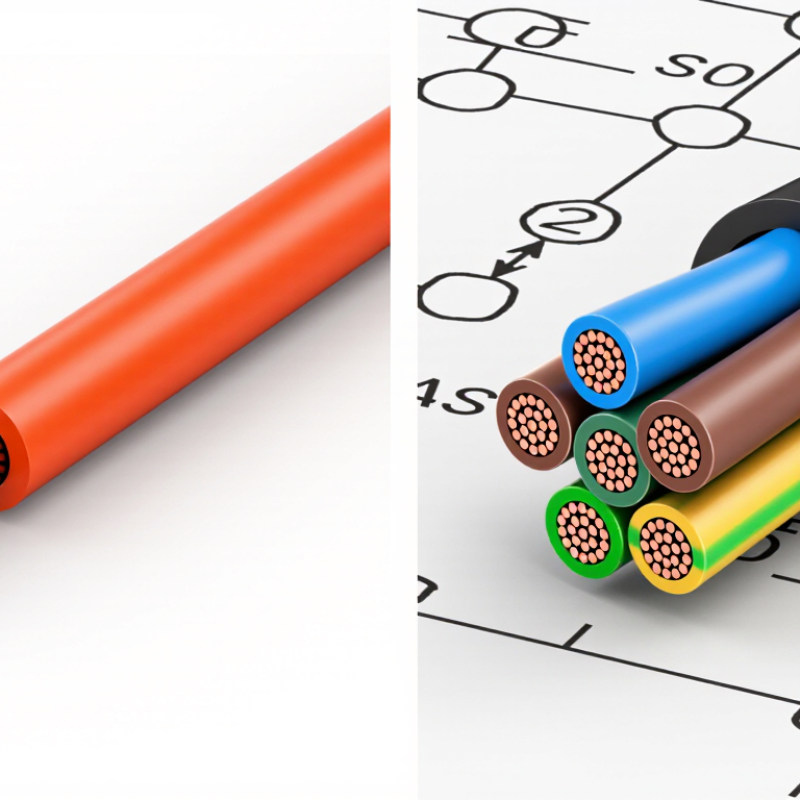
How Electrical Wires and Cables Are Defined
In electrical terminology, a wire is usually one metal conductor, such as copper or aluminum. It may be bare or covered with insulation. A solid wire has one continuous metal core; a stranded wire contains many thin strands twisted together. Both can carry current. In everyday speech, people sometimes call an entire insulated conductor a wire, which can blur the definition.
A cable generally contains two or more insulated conductors gathered inside a shared outer covering. Some cable designs contain one conductor, so conductor count alone does not settle the question. A household power cable may have separate live, neutral, and grounding conductors beneath one jacket. A coaxial cable uses a central conductor, insulation, and surrounding conductive layers. The outer covering can help protect conductors from abrasion, moisture, or contact, depending on the cable’s design.
The distinction is useful, but not perfectly universal. Trade usage and product labeling can vary. Not always, though. To identify a product, check its construction, insulation, markings, and stated electrical rating rather than relying only on the words “wire” or “cable.” A small label can tell you more than a familiar name. For actual installation choices, the intended load and environment matter; the terminology alone is not enough.
How Their Internal Construction Differs
A wire usually starts with one metallic conductor, either solid or made from twisted strands. Its cross-section may look like one bright copper core or a compact bundle beneath insulation. Some wires are bare; others have a single insulating layer. The term can describe the conductor itself or the insulated product, depending on context. Terminology is not perfectly consistent.
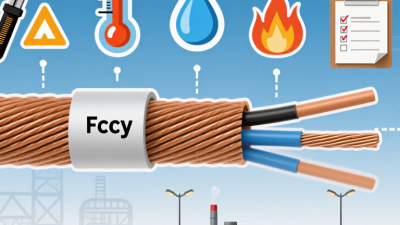
A cable is an assembly. It may contain several insulated conductors, plus fillers that keep them positioned, a binder, and an outer sheath. Cut one open and you might see colored cores packed together under a tough jacket. A cable can also have one conductor, so conductor count alone does not settle the question. The construction matters. IEC 60228:2023 classifies cable conductors by construction, including solid Class 1, stranded Class 2, and flexible Classes 5 and 6; it also sets conductor resistance requirements. That standard shows why “stranded” does not automatically mean “cable.” A practical comparison is the layers: a wire typically has a conductor and possibly insulation, while a cable may combine conductors with shared protection against abrasion, moisture, or mechanical stress. Check the product specification. The label can mislead.
What Is the Difference Between Wire and Cable?
How their internal construction differs
A wire typically has one conductor, which may be bare or insulated. A cable commonly bundles two or more individually insulated conductors, sometimes inside an additional outer sheath. Actual constructions vary by application and terminology.
Common Wire and Cable Types
Wire usually means one conductor, bare or insulated. Cable usually means two or more insulated conductors gathered under a shared jacket, though industry usage is not perfectly consistent. That small distinction matters. Match the assembly to voltage, temperature, movement, and installation conditions—not just its appearance.
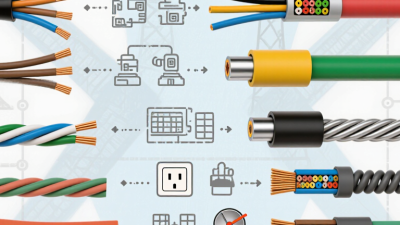
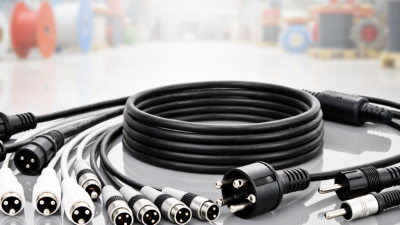
Building wire, including solid or stranded copper conductors, runs inside walls and conduits. IEC 60228 classifies conductors from solid Class 1 to flexible Class 6; the class indicates flexibility, not a cable’s full performance. Power cables carry energy to equipment, while control and instrumentation cables carry signals. Twisted-pair and coaxial cables serve communications. Fiber-optic cable transmits light, not electrical current. Details matter.
The IEA’s 2023 Electricity Grids and Secure Energy Transitions report says annual grid investment must rise to more than $600 billion by 2030, from about $300 billion today. That expansion increases demand for correctly specified power and communications cables. Not interchangeable.
Check conductor material, insulation, shielding, bend radius, and technical specifications before selection. I would not infer suitability from a thick jacket alone; that is an easy mistake, even for careful buyers.
Where Wires and Cables Are Used
Wires and cables appear in different parts of everyday electrical systems. A single insulated wire may connect a switch to a light fixture inside a wall box. Bare wire can also serve as a grounding connection, where its material and installation conditions matter. In a control cabinet, separate wires often run between terminals, making individual circuits easier to trace. Keep the conductors organized. It helps during maintenance.
Cables are common where several conductors need shared protection. A household power cord, for example, bundles insulated conductors beneath an outer jacket. In a workshop, a flexible cable may connect a portable tool to an outlet and tolerate repeated movement. Cables also carry signals through buildings, linking sensors, speakers, or network equipment. The outer covering helps guard against abrasion, moisture, or heat, depending on its rating. Not every jacket handles every environment.
The distinction is useful, but it is not a complete selection rule. Some cables contain one conductor, and the word “wire” can describe a conductor within a cable. Check the product markings, conductor size, insulation type, temperature rating, and intended use before installation. A cable laid near a warm machine may need different protection from one routed through a dry interior wall. Details are easy to overlook. That is where the neat definition gets messy.
How to Choose Between Wire and Cable
Choosing between wire and cable starts with the job, not the name. A wire usually means one conductor, either solid or made from fine strands. A cable commonly bundles two or more insulated conductors inside a shared jacket. Usage varies, though, so check the product markings and specification sheet. A single-conductor cable exists.
For a short connection carrying one circuit, an individual wire may be practical when the enclosure or conduit provides suitable protection. For several conductors running together, a jacketed cable can simplify routing and help keep the bundle organized. Picture a pump connection near a damp utility room: moisture, heat, movement, and abrasion all affect the choice. Check the rated voltage, current capacity, temperature range, conductor material, and installation conditions. A tidy jacket does not make an undersized cable safe.
Flexibility matters, too. Fine-stranded conductors bend more easily around tight equipment connections, while solid conductors can stay put in fixed runs. Measure the route, note bends and exposure, then compare the cable’s ratings with the equipment requirements. Check local electrical rules or ask a qualified electrician when the installation is uncertain. I have seen people focus on conductor count and overlook the environment. Easy mistake. The best choice is the one suited to the full route, not merely the one that looks simpler on the shelf.